

Why Cooling Systems Matter in Diesel Engines
Diesel engines produce a lot of heat.
If that heat is not controlled, the engine will quickly suffer serious damage.
Overheating can cause:
- Blown head gaskets
- Cracked cylinder heads
- Seized pistons
- Complete engine failure
In African working conditions — high temperatures, dust, long operating hours — a healthy cooling system is critical.
What a Diesel Engine Cooling System Does
The cooling system’s job is to:
- Absorb engine heat
- Carry that heat away from the engine
- Release it into the air
It keeps the engine operating at the correct temperature, not too hot and not too cold.
Main Components of a Diesel Engine Cooling System
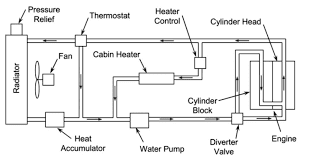
1. Radiator
The radiator:
- Cools hot coolant coming from the engine
- Uses airflow and cooling fins to remove heat
Common radiator problems:
- Blocked fins from dust and mud
- Leaks
- Internal blockage from poor coolant
Workshop tip:
A dirty radiator cannot cool properly.
2. Water Pump
The water pump:
- Circulates coolant through the engine and radiator
- Is driven by a belt or gears
Signs of water pump failure:
- Coolant leaks
- Overheating
- Grinding noise
3. Thermostat
The thermostat:
- Controls coolant flow based on temperature
- Helps the engine warm up correctly
If stuck closed:
- Engine overheats quickly
If stuck open:
- Engine runs too cold
- Poor fuel economy
4. Cooling Fan and Fan Drive
The cooling fan:
- Pulls air through the radiator
- Works with a viscous clutch or hydraulic system
Common issues:
- Fan clutch failure
- Broken fan blades
- Hydraulic fan faults
5. Coolant (Antifreeze)
Coolant:
- Absorbs heat
- Prevents corrosion
- Protects against freezing and boiling
⚠️ Never use plain water long-term — it causes rust and scale buildup.
Cooling System Operation (Simple Explanation)
- Engine heats coolant
- Hot coolant flows to radiator
- Radiator cools coolant
- Cooled coolant returns to engine
- Cycle repeats continuously
This process runs every second the engine is operating.
Common Diesel Cooling System Problems
Overheating
Causes:
- Low coolant level
- Blocked radiator
- Failed water pump
- Faulty thermostat
Coolant Loss
Causes:
- Hose leaks
- Radiator cracks
- Head gasket failure
Engine Running Cold
Causes:
- Thermostat stuck open
- Incorrect coolant mixture
African Working Conditions and Cooling Systems
In many African environments:
- High ambient temperatures
- Dusty sites
- Long idle and high-load operation
This means:
- Radiators clog easily
- Coolant quality matters
- Maintenance intervals must be strict
Preventive cleaning saves engines.
Safety Notes for Apprentices
⚠️ Never open a hot radiator cap.
Pressurized coolant can cause serious burns.
Always:
- Let engine cool
- Wear gloves
- Use manufacturer procedures
Real Workshop Example
A generator overheating during load tests often:
- Has a blocked radiator
- Is missing proper coolant
- Has a faulty fan clutch
Always inspect cooling before blaming the engine.
Summary
The cooling system protects the diesel engine from heat damage.
A clean radiator, good coolant, and working pump keep engines alive.
Good technicians inspect cooling systems daily, not only when problems appear.
Call to Action
Apprentices:
- Check coolant levels daily
- Clean radiators regularly
- Never ignore overheating warnings
Follow ModernTradeSkills for real-world diesel training that keeps machines running.