

Diesel Engine Electrical Systems – Powering Modern Heavy Equipment
Modern diesel engines no longer rely on fuel and air alone. Behind every successful engine start, accurate fuel injection event, and warning light on the dashboard is an electrical system quietly doing its job.
For operators, technicians, and supervisors, understanding the diesel engine electrical system is no longer optional — it is essential for troubleshooting, safety, and machine reliability.
This article introduces how diesel electrical systems work, their key components, common failures, and practical inspection tips for real-world conditions.
Why Electrical Systems Matter in Diesel Engines
Older mechanical diesel engines could run with minimal wiring. Today’s engines — especially common rail and electronically controlled systems — depend on electricity to:
- Start the engine
- Control fuel injection timing and quantity
- Monitor engine health
- Protect the engine from damage
- Communicate faults to the operator
Without a healthy electrical system, even a mechanically perfect engine will not run.
Core Components of a Diesel Engine Electrical System
1. Battery System
The battery provides:
- Starting power
- Voltage for control modules
- Backup power during low alternator output
Key points:
- Weak batteries cause slow cranking and ECU faults
- Poor terminals create high resistance
- Vibration loosens connections in heavy equipment
Technician Tip: Always load-test batteries, not just voltage-test.
2. Starter Motor and Starting Circuit
The starter motor converts electrical energy into mechanical rotation to crank the engine.
Includes:
- Starter motor
- Solenoid
- Heavy-gauge cables
- Ignition or start relay
Common failures:
- Burnt solenoid contacts
- Worn brushes
- Corroded cables
- Poor ground connections
3. Charging System (Alternator)
Once the engine is running, the alternator:
- Recharges the battery
- Powers electrical systems
- Stabilizes system voltage
Signs of charging problems:
- Battery warning light
- Dimming lights
- Multiple sensor fault codes
- Repeated battery failures
4. Engine Control Unit (ECU / ECM)
The ECU is the brain of the diesel engine.
It receives data from sensors and controls:
- Injectors
- Fuel pressure
- Timing
- Idle speed
- Engine protection strategies
If the ECU loses power or ground, the engine shuts down instantly.
5. Sensors and Actuators
Common engine sensors include:
- Crankshaft position sensor
- Camshaft position sensor
- Coolant temperature sensor
- Oil pressure sensor
- Boost pressure sensor
Actuators include:
- Fuel injectors
- Fuel control valves
- EGR valves
A single faulty sensor can:
- Prevent starting
- Cause limp mode
- Increase fuel consumption
- Trigger warning alarms
Common Electrical Problems in the Field
1. Poor Grounds (Very Common)
Many faults are caused by bad earth connections, not failed components.
Symptoms:
- Intermittent faults
- Random warning lights
- Unexplained ECU codes
2. Wiring Damage
Heavy equipment operates in:
- Heat
- Oil
- Vibration
- Dust
- Water
Wiring looms often fail due to:
- Chafing
- Broken conductors inside insulation
- Rodent damage
- Improper repairs
3. Sensor Failures
Sensors can fail due to:
- Contamination
- Heat damage
- Internal electrical breakdown
Always verify:
- Power supply
- Ground
- Signal voltage
Before replacing sensors.
Basic Electrical Checks Every Technician Should Perform
Before advanced diagnostics, start simple:
- Battery voltage (engine off and running)
- Battery load test
- Starter voltage drop test
- Alternator output test
- Ground continuity checks
- Visual wiring inspection
Instructor’s Rule: Check power and ground first — always.
Operator, Technician, and Supervisor Responsibilities
- Operators: Report warning lights immediately, avoid jump-start abuse
- Technicians: Diagnose systematically, not by guesswork
- Supervisors: Ensure correct repairs, proper tools, and training
Electrical faults ignored early often become major downtime events.
Safety Notes When Working on Electrical Systems
- Disconnect batteries before major electrical work
- Never short terminals intentionally
- Use insulated tools
- Beware of stored energy in capacitors
- Follow lockout/tagout procedures
Summary: Electricity Keeps Diesel Engines Alive
Fuel creates power, but electricity controls it.
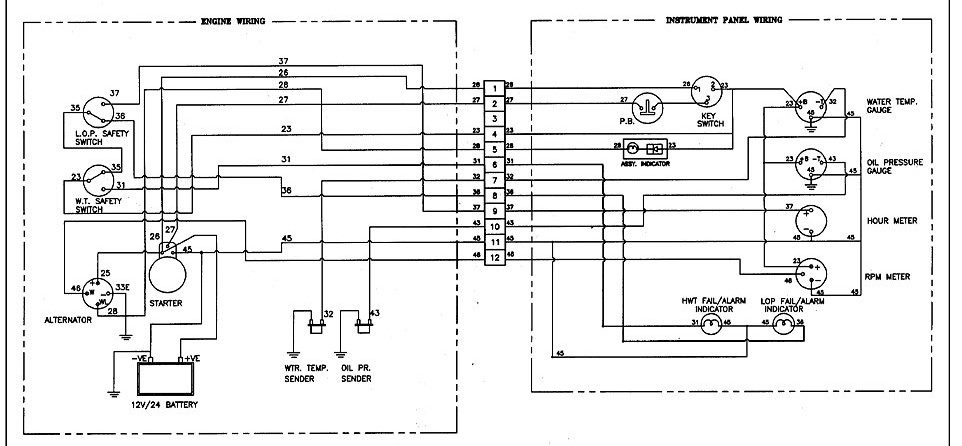
As diesel engines become more advanced, electrical knowledge becomes just as important as mechanical skill. A good technician today must understand wiring diagrams, sensor logic, and electrical testing — not just spanners and sockets.
Master the basics now, and the complex systems will make sense later.