

Komatsu Introduces Hydrogen-Powered Construction Equipment Prototype
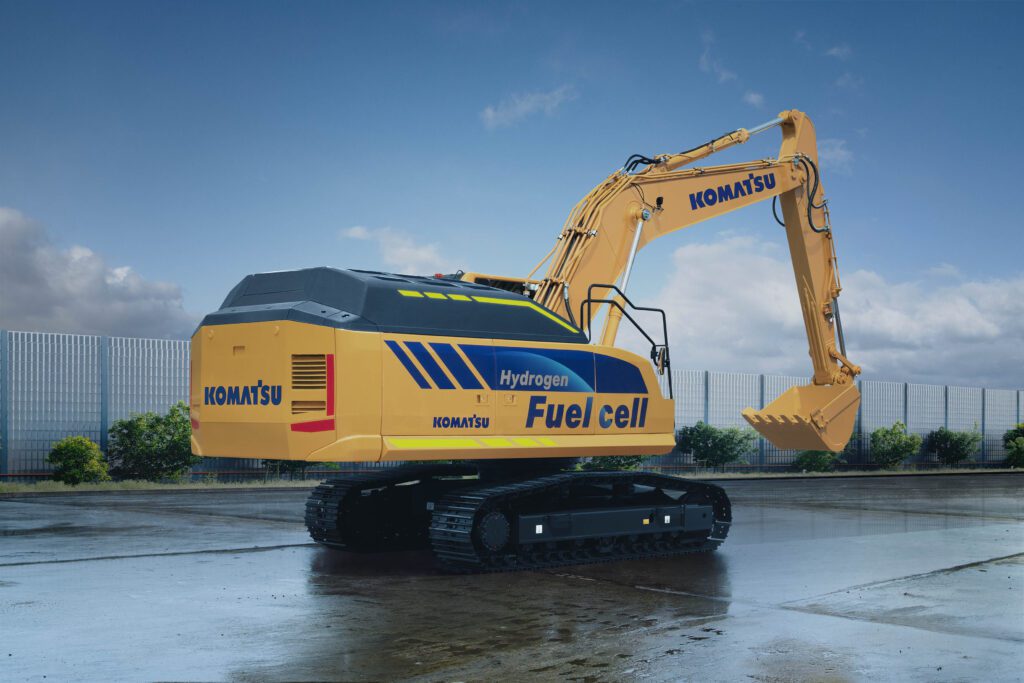
Komatsu hydrogen construction equipment prototype introduced, signaling a significant step in the company’s effort to reduce emissions and explore alternative power solutions for heavy machinery. The prototype highlights Komatsu’s long-term strategy to develop low-carbon technologies while maintaining performance levels required in demanding construction environments.
The announcement places Komatsu among a growing number of OEMs investing in hydrogen and alternative fuel technologies as the industry faces stricter emissions regulations and sustainability targets.
Komatsu’s Move Toward Hydrogen Power
Komatsu’s hydrogen initiative is part of its broader roadmap to achieve carbon neutrality across its equipment portfolio. While electrification continues to advance, hydrogen offers an alternative for applications where battery-electric solutions may face limitations such as operating range, charging time, and power demand.
By testing hydrogen-powered equipment, Komatsu aims to evaluate how the technology can complement existing diesel and electric platforms, particularly on large or remote job sites.
Technical Overview of the Komatsu Hydrogen Construction equipment Prototype
The Komatsu hydrogen construction equipment prototype features a modified powertrain designed to operate using hydrogen as its primary energy source. Key technical elements include:
- A hydrogen combustion or fuel-cell-based power system
- High-pressure hydrogen storage tanks integrated into the machine structure
- Enhanced safety systems for leak detection and pressure management
- Revised engine control strategies to optimize performance and efficiency
Komatsu has emphasized that safety and durability are central to the prototype’s development, given the demanding conditions construction equipment operates under.
Challenges of Hydrogen in Construction Equipment
While hydrogen presents clear environmental benefits, several challenges remain before widespread adoption:
- Hydrogen infrastructure availability on job sites
- Safe storage and handling of high-pressure hydrogen
- Maintenance complexity compared to conventional diesel systems
- Cost considerations for both equipment and fuel supply
These factors will play a major role in determining how quickly hydrogen technology can transition from prototype to production.
What This Means for Technicians and Workshops
For technicians, hydrogen-powered construction equipment represents a shift toward new safety protocols and diagnostic procedures. Maintenance teams will need training in:
- Hydrogen safety and detection systems
- High-pressure fuel system inspection
- Specialized diagnostic tools and software
- Integration of hydrogen systems with electronic controls
Although diesel engines will remain dominant in the near term, hydrogen technology introduces new skill requirements that technicians must prepare for.
Industry Direction: Multiple Paths to Lower Emissions
Komatsu’s hydrogen prototype reinforces the idea that there is no single solution to reducing emissions in heavy equipment. Instead, OEMs are exploring multiple pathways, including electrification, hydrogen, hybrid systems, and efficiency improvements in diesel technology.
This diversified approach allows manufacturers to match technology solutions to specific applications and operating conditions.
Final Thoughts
Komatsu’s hydrogen-powered construction equipment prototype highlights the company’s commitment to innovation and sustainability in a rapidly evolving industry. While challenges remain, the project provides valuable insight into how hydrogen could play a role in the future of heavy equipment.
For technicians and industry professionals, understanding these emerging technologies will be essential as the sector continues to evolve.
Read more on the Komatsu Website.