

How AI Is Revolutionizing Mechanical Trades
Introduction: Mechanical Trades Are Changing—Fast
Mechanical trades, especially diesel technology, are evolving faster than at any point in history. Engines are smarter, machines are more connected, and workshops are becoming data-driven environments.
At the center of this change is Artificial Intelligence (AI).
AI is not replacing mechanics or diesel technicians—it is changing how they work, how they diagnose problems, how they plan maintenance, and how they grow their careers. Those who understand this shift will stay relevant. Those who ignore it risk being left behind.
This article explains how AI is revolutionizing mechanical trades, using real workshop scenarios—not theory.
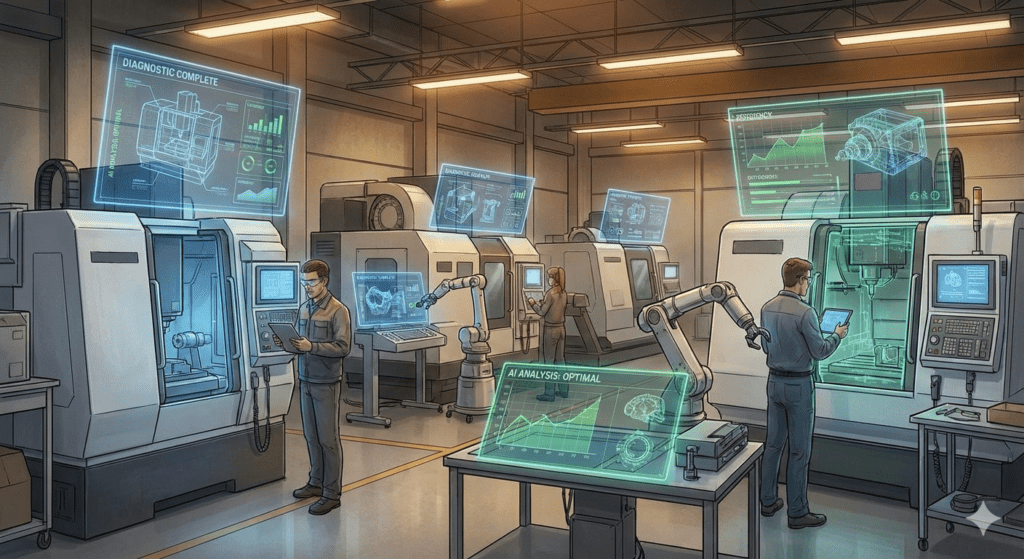
1. From Reactive Repairs to Predictive Maintenance
The Old Way
Traditionally, mechanical work followed two approaches:
- Fix it after it breaks (reactive)
- Service it at fixed intervals (preventive)
Both methods result in:
- Unplanned downtime
- Expensive failures
- Missed early warning signs
The AI Revolution
AI analyzes:
- Sensor data
- Engine operating conditions
- Failure history
- Usage patterns
It then predicts when and where failures are likely to occur.
Real Example
A fleet of trucks shows slight increases in exhaust temperature over weeks.
AI identifies a pattern linked to turbo degradation and recommends inspection before failure.
Impact on Tradesmen
- Fewer breakdown callouts
- Planned repairs instead of emergency jobs
- Better reputation for reliability
2. Faster and Smarter Diagnostics
Modern Diagnostic Challenges
Today’s diesel systems involve:
- Emissions controls
- Multiple ECUs
- CAN networks
- Software logic
Fault codes alone are often misleading.
How AI Changes Diagnostics
AI systems:
- Correlate multiple fault codes
- Analyze live data trends
- Suggest probable root causes
Instead of guessing, technicians get guided diagnostics.
Why This Matters
- Reduces unnecessary part replacement
- Saves diagnostic time
- Helps junior technicians troubleshoot complex faults
3. AI Is Bridging the Skills Gap
The Skills Challenge
Workshops worldwide face:
- Shortage of experienced technicians
- Rapid technology changes
- Limited training time
AI as a Digital Mentor
AI tools now act as:
- Virtual instructors
- Step-by-step repair guides
- Diagnostic advisors
Example
An apprentice faces a wiring fault.
AI guides them through:
- Circuit understanding
- Test points
- Expected values
This accelerates learning without replacing hands-on training.
4. Workshop Efficiency Is Being Redefined
Traditional Workshop Problems
- Poor job scheduling
- Idle technicians
- Delayed parts
- Missed deadlines
AI-Driven Workshops
AI analyzes:
- Job durations
- Technician skills
- Parts availability
It then optimizes:
- Job allocation
- Work sequences
- Service timelines
Result
- Higher productivity
- Less overtime
- Better job flow
This directly impacts profitability.
5. Smarter Parts and Inventory Management
The Cost of Poor Inventory Control
- Overstocked slow-moving parts
- Missing critical components
- Delayed repairs
How AI Helps
AI predicts:
- Which parts will be needed
- When to reorder
- Which items are rarely used
Benefits
- Reduced stockholding costs
- Faster job completion
- Improved cash flow
6. Improved Safety and Compliance
Why Safety Matters More Than Ever
Modern workshops handle:
- High-voltage systems
- Pressurized fuel systems
- Heavy machinery
AI in Safety Management
AI can:
- Identify unsafe work patterns
- Flag repeated procedural errors
- Analyze incident data
Example
AI detects repeated near-misses during brake servicing and recommends corrective training.
This protects:
- Technicians
- Equipment
- Workshop owners
7. AI Is Changing Career Paths in the Trades
New Opportunities
AI is creating demand for:
- Diagnostic specialists
- Technical trainers
- Workshop data analysts
- Fleet reliability technicians
Career Advantage
Technicians who understand AI:
- Command higher salaries
- Move into leadership roles
- Work internationally
AI knowledge is becoming a career multiplier.
8. AI in Mobile, Remote, and Expat Work
Remote Diagnostics
AI allows:
- Off-site fault analysis
- Remote support for field technicians
- Faster decision-making
For Expat Tradesmen
AI assists with:
- Language translation
- Technical documentation
- Standardized procedures
This makes international work more accessible.
9. What AI Will NOT Replace
It’s important to be clear:
AI cannot replace:
- Hands-on mechanical skill
- Experience-based judgment
- Craftsmanship
- Problem-solving creativity
AI enhances technicians—it does not eliminate them.
10. Preparing for the AI-Driven Trade Future
What Technicians Should Do Now
- Learn how AI tools work
- Use AI as a diagnostic assistant
- Stay updated with new systems
- Combine experience with technology
Workshops That Adapt Will Win
- Higher efficiency
- Better reliability
- Stronger teams
- More competitive businesses
Conclusion: Adaptation Is the New Skill
Mechanical trades are not dying—they are evolving. AI is revolutionizing mechanical trades.
AI is becoming as important as:
- Scan tools
- Multimeters
- Service manuals
Technicians who embrace AI will work smarter, safer, and more efficiently. Those who resist will struggle to keep up.
Engine manufacturers, like Cummins are taking AI Tools seriously.