
Electronic Diagnostic Tools For Heavy Equipment And Diesel Technicians
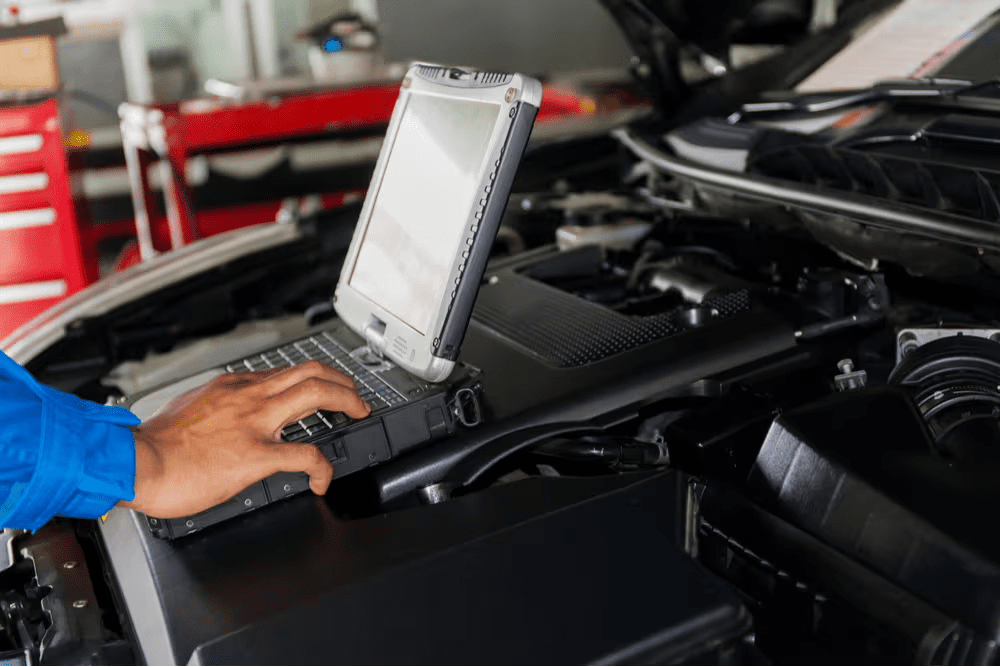
Introduction: Why Electronic Diagnostic Tools For Heavy Equipment Matter Today
Modern heavy equipment is no longer purely mechanical. Electronic Control Units (ECUs), sensors, CAN communication networks, and software logic now control everything from fuel delivery and emissions to safety systems and machine performance.
For today’s diesel technician, electronic diagnostic tools for heavy equipment are no longer optional. Whether you are an apprentice learning fault-finding basics, an experienced technician in the field, or a workshop supervisor managing uptime, your ability to diagnose electronic systems directly affects productivity, repair accuracy, and career growth.
This guide is written from real workshop and field experience — not marketing brochures. Its goal is to help technicians understand:
- What electronic diagnostic tools for heavy equipment actually do (and what they don’t)
- The difference between OEM and aftermarket tools
- How to choose the right tool for your level, workshop, or region
- Common mistakes technicians make with diagnostics
- How diagnostics impact long-term career opportunities, including OEM and expat work
What Are Electronic Diagnostic Tools For Heavy equipment?
Electronic diagnostic tools are hardware and software systems used to communicate with a machine’s electronic control modules.
At a basic level, they allow technicians to:
- Read fault codes
- View live sensor data
- Monitor system status
- Perform calibrations and resets
- Diagnose communication and electrical issues
At higher levels, some tools allow:
- Parameter changes
- System configuration
- ECU programming or flashing (with restrictions)
A common misconception
A diagnostic tool does not fix machines. It provides information. The technician’s skill — understanding systems, interpreting data, and applying mechanical and electrical knowledge — is what solves the fault.
Types of Electronic Diagnostic Tools For Heavy Equipment
OEM Diagnostic Tools
OEM (Original Equipment Manufacturer) diagnostic tools are developed by the machine manufacturer specifically for their equipment. These tools offer the deepest access to machine systems and are typically used by dealerships and authorized service providers.
Typical characteristics:
- Full system access
- OEM fault logic and guided diagnostics
- Software updates and calibrations
- Subscription-based licensing
- Often restricted access
OEM tools are powerful but require training, stable internet access, and ongoing costs.
Aftermarket / Multi-Brand Diagnostic Tools
Aftermarket tools are designed to work across multiple equipment brands. They are widely used by independent workshops, mixed fleets, and field technicians.
Typical characteristics:
- Multi-brand coverage
- Faster setup and portability
- Limited access compared to OEM tools
- Subscription-based updates
- Strong value for mixed fleets
Aftermarket tools do not replace OEM systems, but in many real-world environments, they provide the best balance between cost and capability.
Dealer-Level vs Field-Level Diagnostics
Not all diagnostics happen in a dealership workshop.
- Dealer-level diagnostics:
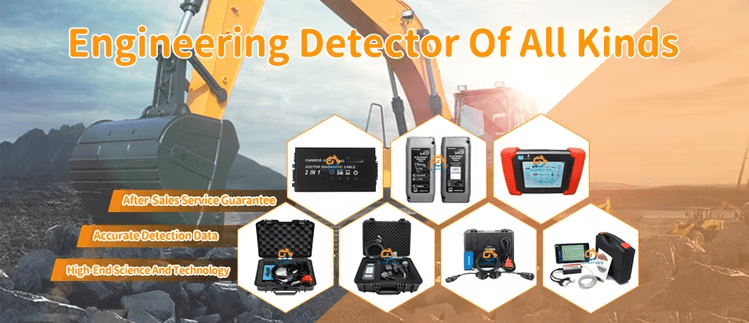
Laptop-based systems, stable internet, full OEM access, software flashing. - Field-level diagnostics:
Rugged handheld devices, limited connectivity, fault isolation and live data.
In remote regions, unreliable internet and power supply make tool choice especially critical.
OEM Diagnostic Tools – Brand Overviews
The following OEM systems are industry standards. Each one is designed specifically for its manufacturer’s machines.
- Caterpillar Electronic Technician (ET)
Deep system access, calibrations, configuration, and troubleshooting for CAT machines. - Komatsu Diagnostic Systems
OEM-level diagnostics for Komatsu equipment with advanced monitoring and fault logic. - Volvo Construction Equipment Diagnostics
Integrated diagnostics for Volvo machines with strong safety and performance monitoring. - John Deere Service Advisor
Comprehensive diagnostics across agriculture, construction, and forestry equipment. - Cummins INSITE
Engine-focused diagnostics widely used across multiple OEM platforms. - Perkins Diagnostic Tools
Engine diagnostics for Perkins-powered equipment across various applications.
Each OEM tool excels within its brand but offers little or no coverage outside it.
Aftermarket Diagnostic Tools – Honest Overview
Aftermarket tools are built for technicians who work across brands and environments.
- Jaltest Heavy Equipment
Strong multi-brand coverage, intuitive interface, widely used in independent workshops. - TEXA Off-Highway
Solid diagnostics with strong hardware quality and expanding off-highway coverage. - Bosch Diagnostic Platforms
Known for automotive roots, with selected heavy equipment capabilities. - Launch Heavy Equipment Tools
Entry-level to mid-range options often used by smaller workshops.
Aftermarket tools shine in mixed fleets but have limits when deep OEM programming is required.
OEM vs Aftermarket Diagnostic Tools
Key differences technicians should understand:
- Depth of access: OEM tools go deeper.
- Coverage: Aftermarket tools cover more brands.
- Cost: OEM tools have higher subscription and setup costs.
- Learning curve: OEM systems often require formal training.
- Flexibility: Aftermarket tools adapt better to field work.
Real-world verdict
Dealerships need OEM tools. Independent workshops and field technicians often need aftermarket tools — sometimes alongside limited OEM access.
How to Choose the Right Diagnostic Tool
Ask these questions before investing:
- Are you an apprentice or experienced technician?
- Do you work on one brand or many?
- Are you workshop-based or field-based?
- Do you have reliable internet access?
- Is your budget short-term or long-term?
- Do you plan to move into OEM or expat roles?
There is no universal “best” diagnostic tool — only the right tool for your situation.
Common Diagnostic Mistakes Technicians Make
- Relying only on fault codes
- Ignoring live data trends
- Clearing faults without fixing root causes
- Misinterpreting OEM logic
- Using the wrong tool for the task
- Skipping basic electrical checks
Good diagnostics always start with fundamentals, not software.
Diagnostic Skill Matters More Than the Tool
A diagnostic tool amplifies skill — it does not replace it.
Strong technicians understand:
- Electrical fundamentals
- Sensor behavior
- System logic
- Mechanical-electronic interaction
- How to read service manuals
The best technicians combine thinking + tools, not tools alone.
Diagnostics, Training & OEM Readiness
OEM environments expect technicians to:
- Interpret diagnostic data accurately
- Follow structured fault-finding procedures
- Understand software-controlled systems
- Work with documentation and updates
Mastering diagnostics significantly improves:
- Promotion potential
- International job opportunities
- Workshop leadership readiness
Recommended Diagnostic Reading
To go deeper, explore:
- Individual OEM diagnostic tool reviews
- Aftermarket comparison guides
- Beginner diagnostic guides for apprentices
- Diagnostic trends and software updates
This page acts as the central hub linking all diagnostic content.
Need Help Choosing or Setting Up Diagnostic Tools?
If you are:
- Selecting a diagnostic platform for your workshop
- Preparing for OEM or international work
- Struggling to get value from an existing tool
- Training technicians on diagnostic processes
Professional guidance can save time, money, and frustration.
Final Thoughts
Electronic diagnostic tools are powerful — but only in capable hands. The future of heavy equipment maintenance belongs to technicians who understand systems, data, and logic, not just parts replacement.
Choose tools strategically, build skills deliberately, and treat diagnostics as a career accelerator — not just a troubleshooting shortcut.
FAQ
Q1: What is the best electronic diagnostic tool for heavy equipment?
A: The best tool depends on your machine brands and your work environment. OEM tools offer the deepest access for a single brand, while aftermarket tools are often better for mixed fleets.
Q2: Are aftermarket electronic diagnostic tools for heavy equipment as good as OEM tools?
A: Aftermarket tools can be excellent for fault codes and live data across multiple brands, but they often have limitations with deep calibrations, programming, and certain OEM functions.
Q3: Do diagnostic tools fix faults automatically?
A: No. Tools provide data and fault information. Accurate diagnosis still depends on technician skill, electrical fundamentals, and correct test procedures.
Q4: What should apprentices learn first in electronic diagnostics?
A: Start with electrical fundamentals, sensor principles, reading wiring diagrams, and basic live-data interpretation before relying heavily on fault code lists.
Q5: Do I need internet to use diagnostic tools?
A: Many OEM tools and licensing systems require internet for logins, updates, and some functions. Field work in low-connectivity areas may require tools that work offline.