

How Electronic Control Units (ECUs) Work in Heavy Equipment
Introduction
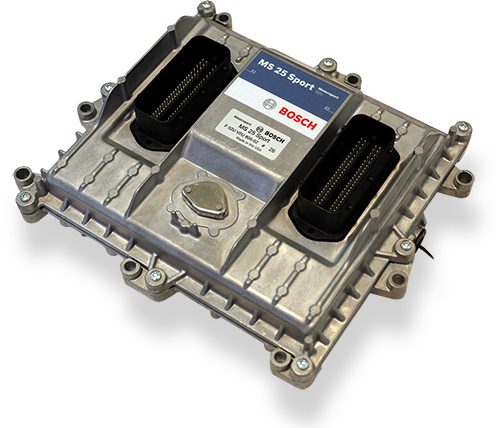
Every modern piece of heavy equipment relies on one or more Electronic Control Units (ECUs) to operate correctly. Engines, transmissions, hydraulics, braking systems, and even safety features are now controlled by electronic logic rather than purely mechanical systems.
For technicians, understanding how ECUs work is essential. Without this knowledge, diagnostic tools become confusing, fault codes are misinterpreted, and repairs turn into guesswork. This article explains ECUs in simple, practical terms, focusing on how they function in real-world heavy equipment diagnostics.
What Is an ECU?
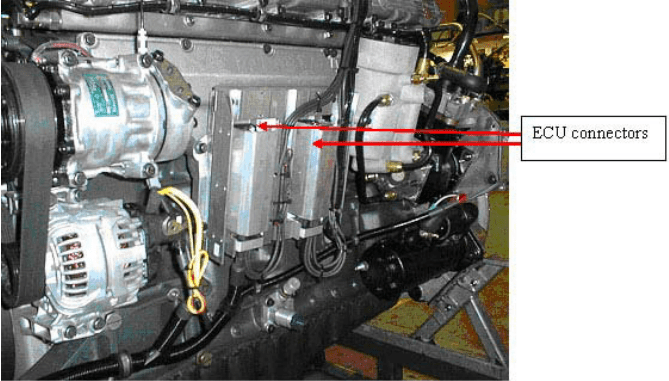
An Electronic Control Unit (ECU) is a computer that controls and monitors a specific system on a machine. Each ECU is programmed to:
- Receive information from sensors
- Process that information using predefined logic
- Control outputs such as injectors, valves, solenoids, and actuators
- Protect the machine from damage when abnormal conditions occur
In heavy equipment, a single machine may have multiple ECUs, each responsible for different systems.
Common ECUs Found in Heavy Equipment
Depending on the machine and manufacturer, ECUs may include:
- Engine Control Module (ECM)
- Transmission Control Unit (TCU)
- Hydraulic Control Unit
- Brake Control Module
- Body or Chassis Control Module
- Safety or Operator Monitoring Module
Each ECU works independently but also communicates with other ECUs across the machine.
How an ECU Makes Decisions
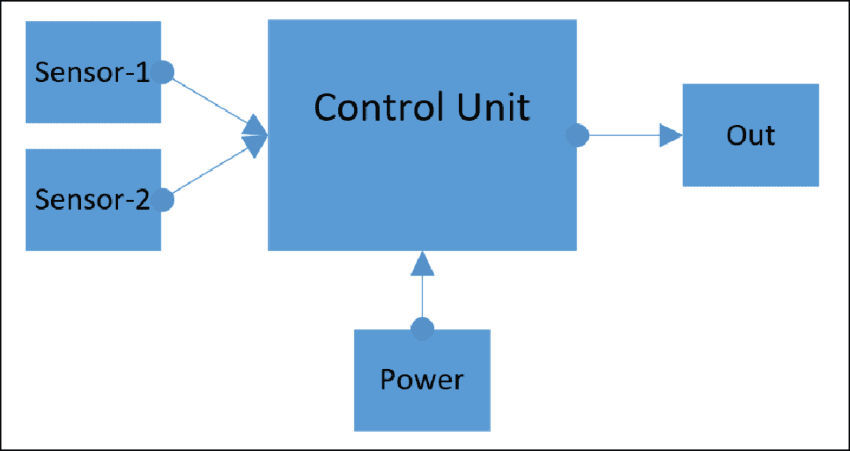
An ECU follows a simple decision-making process:
1. Sensor Inputs
Sensors send signals to the ECU, such as:
- Temperature
- Pressure
- Speed
- Position
- Voltage and current
These signals tell the ECU what is happening in real time.
2. Internal Logic and Maps
Inside the ECU are programmed maps and rules. These determine how the ECU should respond under certain conditions.
For example:
- If engine temperature rises too high, reduce fuel or engine power
- If oil pressure drops, trigger warnings or shutdown
- If sensor readings fall outside safe limits, log a fault code
This logic is fixed by the manufacturer and cannot be changed without authorized software access.
3. Outputs and Control Actions
Based on its calculations, the ECU sends commands to:
- Fuel injectors
- Solenoids
- Valves
- Relays
- Actuators
This is how ECUs control machine performance, efficiency, and safety.
Why ECUs Store Fault Codes
ECUs continuously monitor sensor signals and system behavior. When something does not match expected values, the ECU:
- Detects the abnormal condition
- Stores a fault code
- May activate warnings, derates, or shutdowns
Fault codes help technicians identify which system detected a problem, but they do not always identify the root cause.
Active, Logged, and Historical Faults
Most ECUs classify faults into different categories:
- Active faults:
The problem is currently present. - Logged or inactive faults:
The fault occurred previously but is not active now. - Historical faults:
Older records that help identify intermittent issues.
Understanding fault status helps technicians decide what to test first and what may no longer be relevant.
ECU Communication and Data Sharing
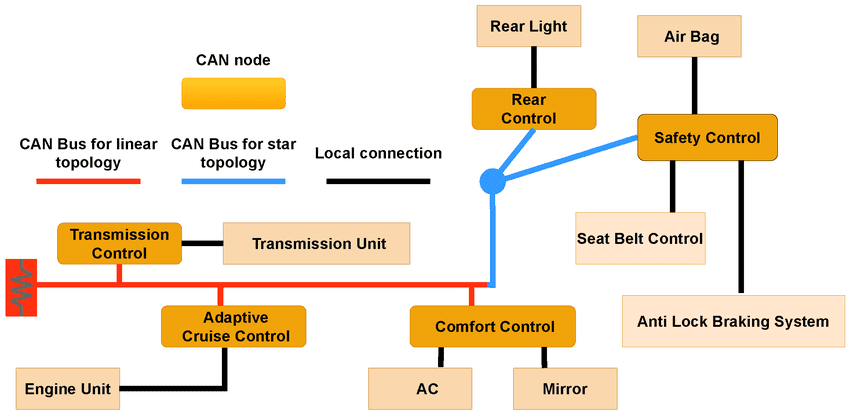
ECUs rarely operate alone. They communicate with each other using machine communication networks, allowing systems to share information.
For example:
- The engine ECU may share load data with the transmission ECU
- The hydraulic ECU may adjust performance based on engine speed
- Safety systems may override other ECUs during fault conditions
When communication fails, multiple fault codes across different ECUs may appear — even though only one issue exists.
What Happens When an ECU Loses Power or Ground
One of the most common diagnostic mistakes is assuming an ECU has failed.
In reality, ECUs are highly reliable. Most ECU-related issues are caused by:
- Loss of power supply
- Poor grounding
- Damaged wiring
- Connector corrosion
- Voltage drops during cranking
Before condemning an ECU, technicians should always verify power, ground, and communication integrity.
How Diagnostic Tools Interact with ECUs
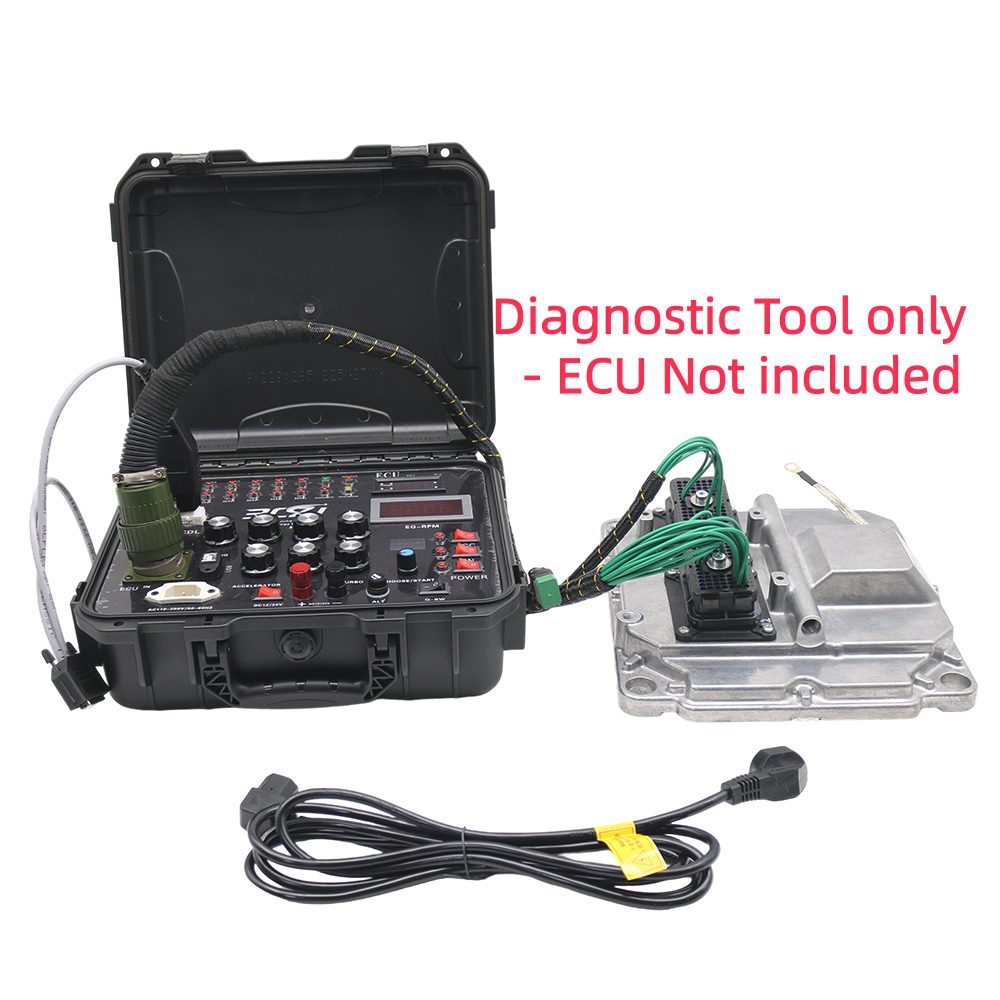
Diagnostic tools do not “scan the machine” — they communicate directly with ECUs.
Through this communication, tools can:
- Read fault codes stored in the ECU
- Display live sensor data
- Monitor ECU status and conditions
- Assist with troubleshooting and calibration
If the tool cannot communicate with an ECU, the issue is often electrical or network-related — not software-related.
Why Understanding ECUs Improves Diagnostics
Technicians who understand ECUs:
- Diagnose faults faster
- Avoid unnecessary parts replacement
- Interpret fault codes more accurately
- Recognize symptoms of wiring or power issues
- Use diagnostic tools more effectively
ECU knowledge turns diagnostics from guesswork into logic.
Frequently Asked Questions
What does an ECU do in heavy equipment?
An ECU monitors sensor inputs, processes data using programmed logic, and controls outputs such as injectors, solenoids, and actuators to ensure safe and efficient operation.
How many ECUs does a heavy machine have?
Most modern machines have multiple ECUs controlling different systems, including engine, transmission, hydraulics, braking, and safety systems.
Do ECUs fail often?
ECUs are very reliable. Most ECU-related faults are caused by power supply issues, poor grounds, wiring damage, or communication faults rather than ECU failure.
Can diagnostic tools work without understanding ECUs?
Diagnostic tools can display data, but accurate diagnosis requires understanding how ECUs interpret sensor signals and apply system logic.
What is the difference between an ECU and ECM?
An ECM (Engine Control Module) is a type of ECU specifically responsible for engine management functions.
What’s Next?
In the next article, we’ll break down common sensors used in diesel engines and heavy equipment, how they work, and how to interpret their signals during diagnostics.
👉 For a complete overview of how electronic diagnostic tools and how they interact with ECUs, see our full guide:
Electronic Diagnostic Tools for Heavy Equipment