

Common Heavy Equipment Sensors (And How to Diagnose Them)
Introduction
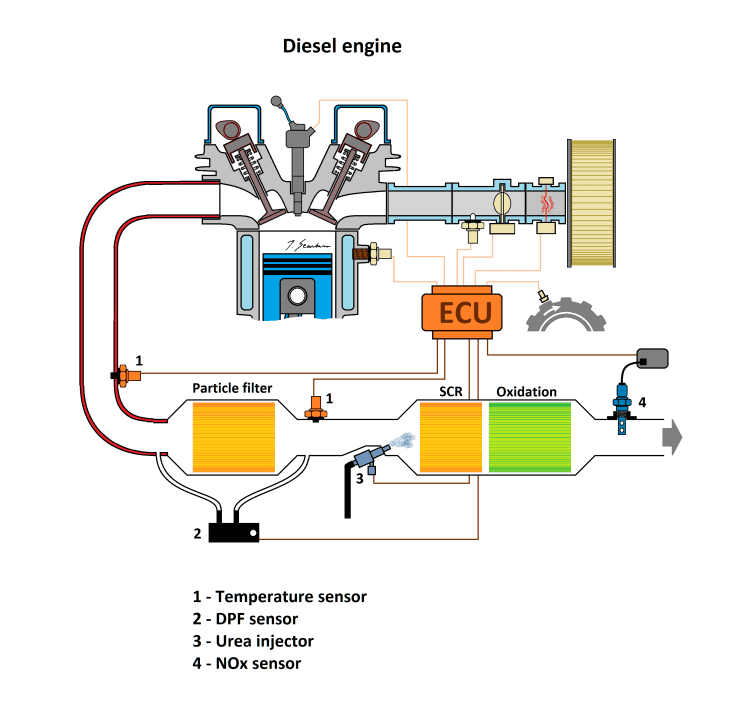
Modern heavy equipment relies on dozens of sensors to operate safely and efficiently. These sensors feed real-time information to electronic control units (ECUs), allowing machines to control fuel delivery, hydraulics, emissions, and protective systems.
For technicians, heavy equipment sensors are one of the most common causes of electronic faults — not because sensors fail often, but because wiring issues, contamination, and misinterpretation are frequent. This article explains the most common sensors used in heavy equipment, how they work, and how technicians should approach sensor diagnostics in real-world conditions.
What Are Heavy Equipment Sensors ?
A sensor is a device that measures a physical condition and converts it into an electrical signal that an ECU can understand.
Sensors allow the ECU to monitor:
- Temperature
- Pressure
- Speed
- Position
- Flow
- Electrical values
Without accurate sensor data, the ECU cannot make correct decisions, which can result in derates, shutdowns, warnings, or poor machine performance.
Why Sensors Are Critical to Diagnostics
In electronic diagnostics, the ECU does not “see” mechanical conditions directly — it only sees sensor signals. If a sensor sends incorrect data, the ECU may react as if a real fault exists.
This is why technicians must always ask:
- Is the sensor faulty?
- Is the wiring faulty?
- Or is the mechanical condition actually real?
Correct sensor diagnosis prevents unnecessary parts replacement and downtime.
Common Types of Heavy Equipment Sensors
Temperature Sensors
Temperature sensors are widely used to monitor:
- Engine coolant temperature
- Intake air temperature
- Exhaust gas temperature
- Hydraulic oil temperature
- Transmission oil temperature
Most temperature sensors are thermistors, meaning their resistance changes with temperature. The ECU interprets this resistance as a temperature value.
Common issues:
- Open circuits
- Short circuits
- Corrosion in connectors
- Heat damage to wiring
Pressure Sensors
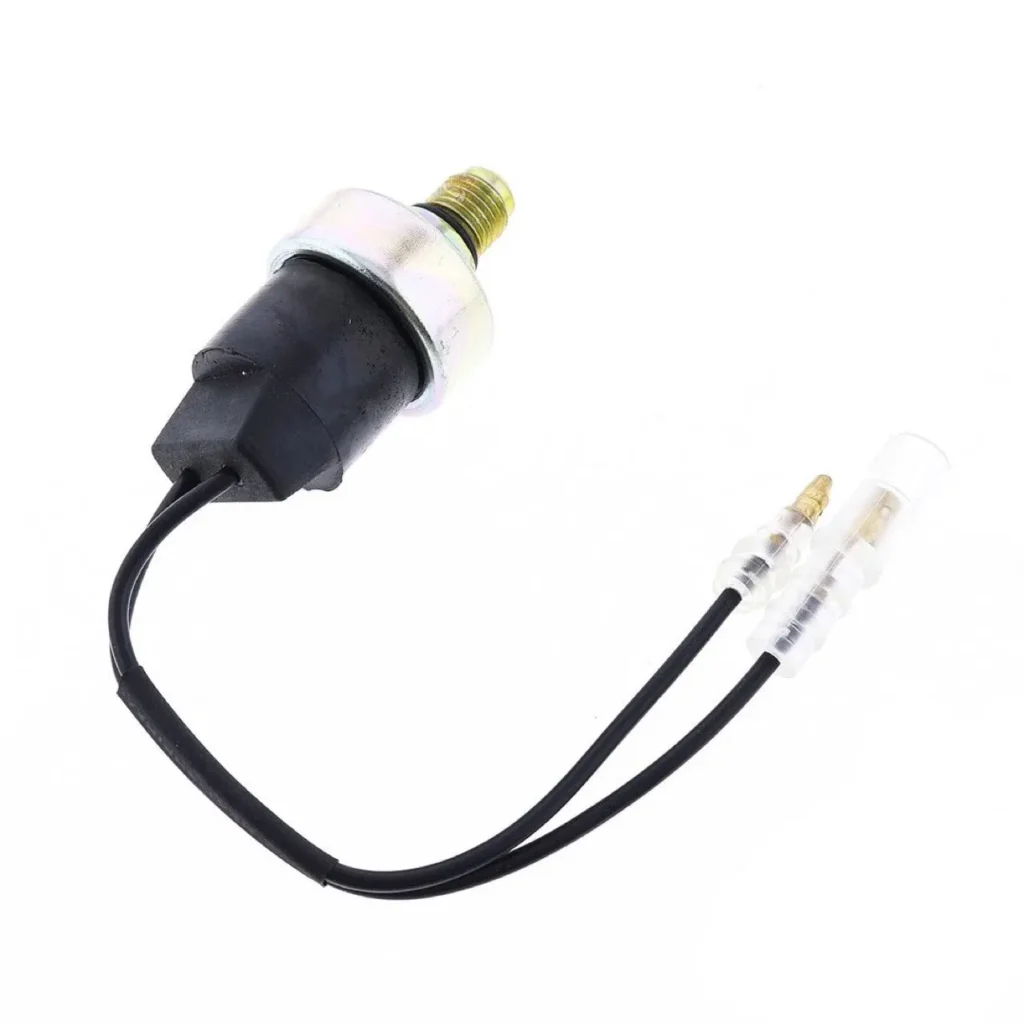
Pressure sensors measure:
- Engine oil pressure
- Fuel pressure
- Boost pressure
- Hydraulic pressure
- Brake system pressure
These sensors convert pressure into a voltage signal that changes as pressure changes.
Diagnostic tip:
Always confirm pressure mechanically with a gauge if readings seem incorrect. A pressure sensor reporting low pressure does not always mean low pressure exists.
Speed Sensors
Speed sensors are used to measure:
- Engine speed
- Crankshaft position
- Camshaft position
- Wheel speed
- Transmission speed
Speed sensors are critical for timing, synchronization, and safety systems.
Common faults include:
- Metal debris on magnetic sensors
- Excessive sensor air gap
- Wiring damage near rotating components
Position Sensors
Position sensors tell the ECU where a component is located. They are commonly used on:
- Throttle position
- Accelerator pedals
- Hydraulic joysticks
- Valve spools
- Actuators
Position sensors typically provide a variable voltage signal based on movement.
Key diagnostic check:
Signal voltage should increase or decrease smoothly. Sudden drops or spikes often indicate sensor wear or wiring faults.
Flow Sensors
Flow sensors measure:
- Airflow into engines
- Fuel flow
- Hydraulic flow (in certain systems)
Incorrect flow readings can cause:
- Power loss
- Poor fuel economy
- Emissions faults
Flow sensors are sensitive to contamination and installation issues.
Analog vs Digital Sensor Signals
Sensors generally fall into two signal types:
Analog Heavy Equipment Sensors
- Provide a variable voltage or resistance
- Common for temperature, pressure, and position sensors
- Require smooth, predictable signal changes
Digital Heavy Equipment Sensors
- Provide on/off or pulsed signals
- Common for speed and position detection
- Often used in timing and safety systems
Understanding signal type helps technicians choose the correct testing method.
How ECUs Monitor Sensor Health
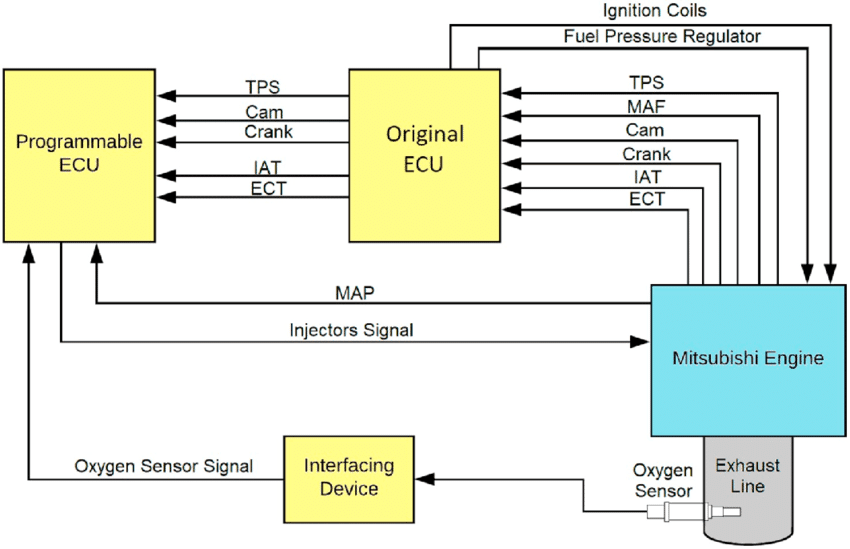
ECUs do more than read sensor values. They also monitor:
- Signal range
- Signal plausibility
- Signal stability
- Comparison with other sensors
If a sensor signal falls outside expected limits, the ECU may log a fault even if the sensor itself is not damaged.
Common Sensor-Related Diagnostic Mistakes
Technicians often make these mistakes:
- Replacing sensors without testing wiring
- Ignoring power supply and ground checks
- Misreading live data units
- Confusing real mechanical faults with sensor faults
- Testing sensors without referencing specifications
Most “sensor failures” are actually wiring or connector issues.
How to Diagnose Sensors Correctly
A good sensor diagnostic process includes:
- Confirm the fault code and symptom
- Identify the sensor type and signal
- Check power supply and ground
- Inspect wiring and connectors
- Verify signal behavior using live data or a multimeter
- Compare readings with specifications
- Confirm repair with live data and fault clearing
This structured approach prevents guesswork.
Why Sensor Knowledge Improves Diagnostic Accuracy
Technicians who understand sensors:
- Diagnose faults faster
- Avoid unnecessary parts replacement
- Interpret live data correctly
- Identify wiring and ECU issues earlier
- Use diagnostic tools more effectively
Sensor knowledge is a foundation skill in modern heavy equipment diagnostics.
Frequently Asked Questions
What are the most common sensors used in heavy equipment?
The most common sensors include temperature, pressure, speed, position, and flow sensors used to monitor engine, hydraulic, transmission, and safety systems.
Do sensors fail often in heavy equipment?
Sensors themselves are reliable. Most sensor-related faults are caused by wiring damage, poor grounding, contamination, or connector corrosion.
Can a faulty sensor cause engine derate or shutdown?
Yes. If a sensor reports unsafe conditions, the ECU may reduce power or shut down the machine to protect components.
Should sensors be tested before replacement?
Always. Testing power supply, ground, wiring integrity, and signal behavior prevents unnecessary sensor replacement.
Can mechanical problems trigger sensor fault codes?
Yes. Low oil pressure, overheating, airflow restrictions, or hydraulic issues can trigger sensor-related fault codes even when the sensor is functioning correctly.
What’s Next?
In the next article, we’ll explain fault codes in heavy equipment diagnostics — including active, logged, and historical faults — and how technicians should prioritize them.
👉 For the complete overview, comparisons, and diagnostic strategy, read the full guide:
Electronic Diagnostic Tools for Heavy Equipment