

Diesel engine explained For Apprentices/ OEM Perspective
Introduction
Understanding how a diesel engine works is not about memorizing parts—it’s about understanding systems working together.
OEMs train technicians to think in air, fuel, compression, and control.
1. The Four-Stroke Diesel Cycle (Quick Overview)
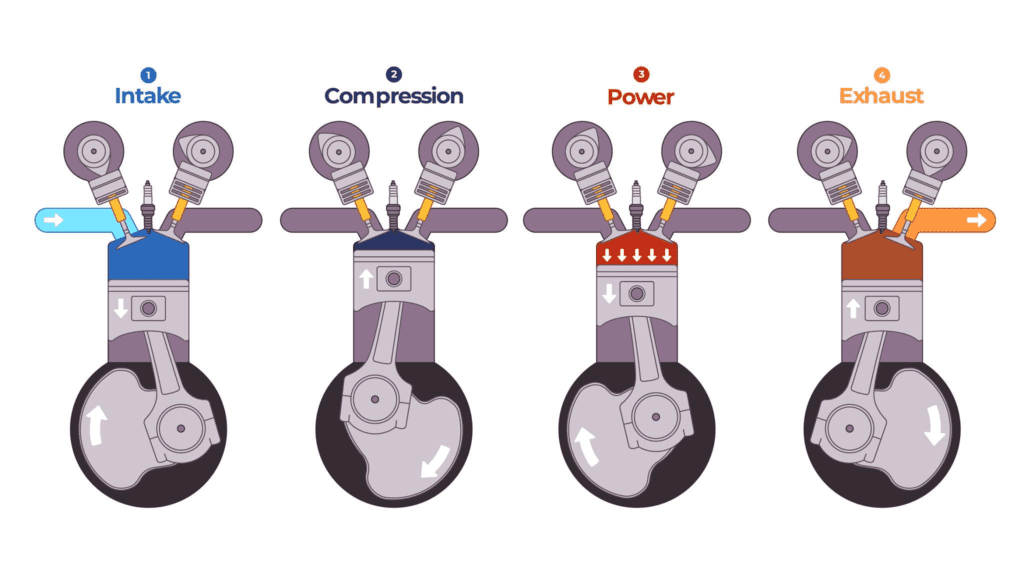
- Intake – Air enters the cylinder
- Compression – Air is compressed and heated
- Power – Fuel is injected and ignites
- Exhaust – Burnt gases exit
Unlike petrol engines, diesel engines rely on heat from compression, not spark.
2. Air Management (The Engine’s Lungs)
Airflow affects:
- Power
- Fuel efficiency
- Emissions
Key components:
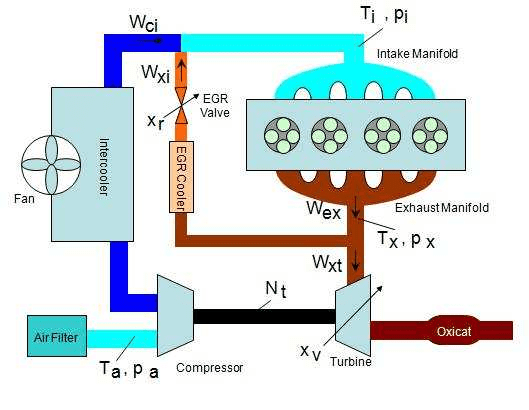
- Turbocharger
- Intercooler
- Intake valves
Restricted air equals incomplete combustion and smoke.
3. Fuel Delivery (Precision, Not Volume)
Modern diesel fuel systems operate at extreme pressure.
OEMs focus on:
- Clean fuel
- Correct injection timing
- Injector accuracy
Contaminated fuel is the number one enemy of modern diesel systems.
4. Combustion Control
Combustion must be:
- Timed correctly
- Even across cylinders
- Controlled electronically
Poor combustion leads to:
- Knocking
- High exhaust temperatures
- Piston damage
5. Sensors and Electronic Control
Modern diesel engines rely on sensors to:
- Measure temperature
- Monitor pressure
- Adjust fueling
The ECM does not guess—it reacts to data.
A failed sensor can mimic mechanical failure.
6. Why OEMs Teach Systems Thinking
OEMs train apprentices to ask:
- Is this an air problem?
- A fuel problem?
- A mechanical problem?
- Or a control issue?
This thinking prevents unnecessary part replacement.
Conclusion
A diesel engine is not just metal—it is a controlled system.
Apprentices who understand systems:
- Diagnose faster
- Make fewer mistakes
- Earn trust earlier
This mindset separates future professionals from parts changers.