

Diesel Engine Fuel Systems – Explained Simply
Introduction
A diesel engine cannot work without a proper fuel system.
The fuel system’s job is simple but critical: deliver the right amount of clean diesel fuel at the correct time and pressure into the engine.
If the fuel system fails, the engine will:
- Lose power
- Smoke excessively
- Misfire
- Refuse to start
In this article, we explain diesel engine fuel systems in simple workshop language, using real examples from trucks, generators, and heavy equipment.
What a Diesel Fuel System Does
A diesel fuel system:
- Stores diesel fuel
- Cleans the fuel
- Pressurizes the fuel
- Injects fuel into the combustion chamber
Unlike petrol engines, diesel engines do not use spark plugs.
Fuel must be injected precisely and ignited by heat from compression.
Main Components of a Diesel Fuel System
1. Fuel Tank
- Stores diesel fuel
- Must be clean and sealed
- Water contamination is common in African conditions
2. Fuel Lines
- Carry fuel from the tank to the engine
- Can be metal or reinforced rubber
- Leaks cause air entry and poor performance
3. Fuel Filters
- Remove dirt and water from diesel
- Critical in dusty environments
- Always replace filters on schedule
⚠️ Workshop Tip:
Most diesel problems start with dirty fuel filters.
4. Lift Pump (Supply Pump)
- Draws fuel from the tank
- Supplies low-pressure fuel to the injection system
- Failure causes hard starting and stalling
5. Injection System (Heart of the Fuel System)
This is where diesel technology differs.
Modern and older engines use different fuel injection systems.
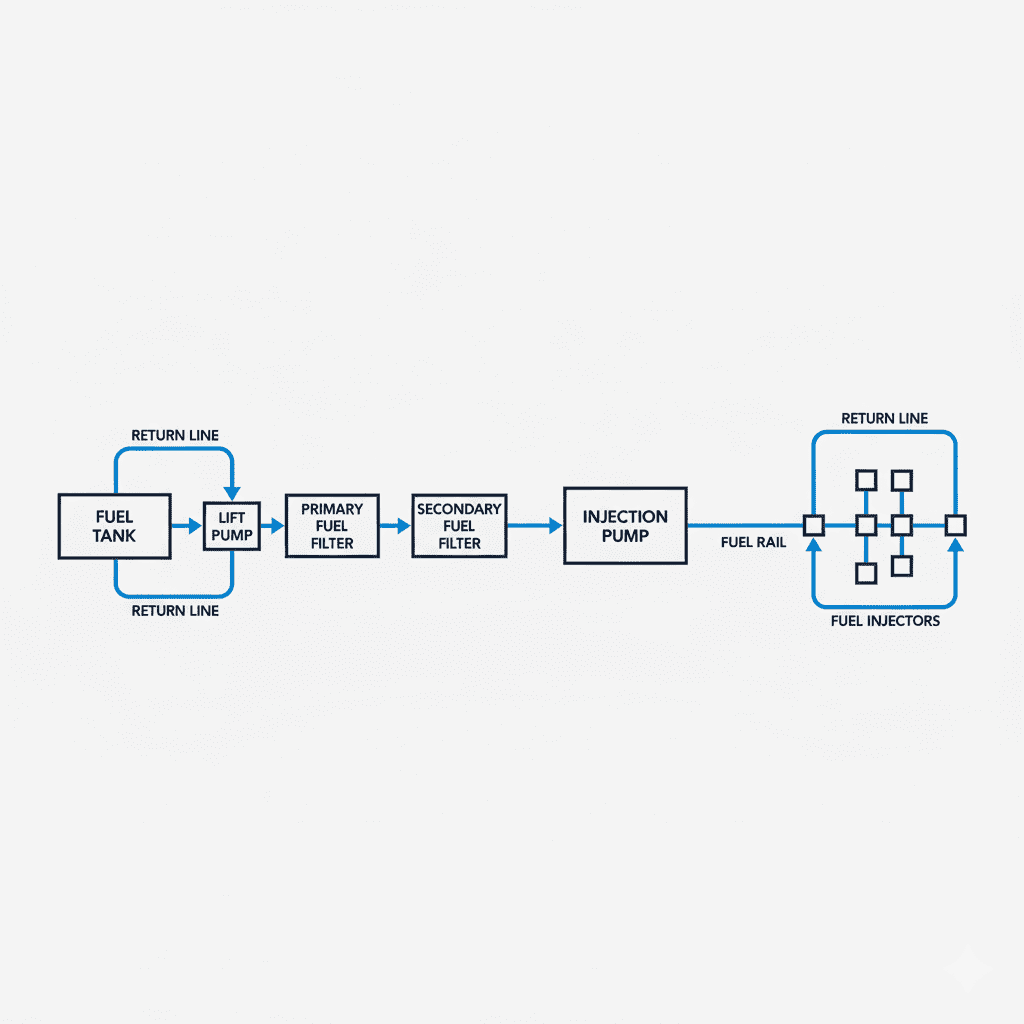
Types of Diesel Fuel Injection Systems
1. Mechanical Fuel Injection Systems
These are older systems found on:
- Older trucks
- Generators
- Farm equipment
How They Work:
- Mechanical pump creates pressure
- Timing is fixed
- No electronics involved
Advantages:
- Simple
- Easy to repair
- Reliable in remote areas
Disadvantages:
- Less efficient
- More smoke
- Limited control
2. Common Rail Fuel Injection Systems
Used in:
- Modern trucks
- Excavators
- Loaders
- Mining equipment
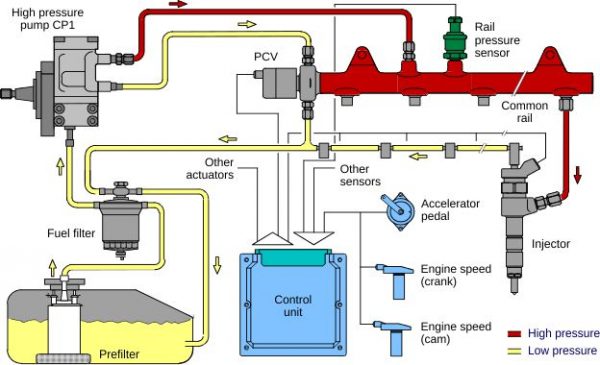
How They Work:
- High-pressure pump feeds a common rail
- ECU controls injection timing and quantity
- Extremely precise
Advantages:
- Better fuel economy
- Lower emissions
- Smooth engine operation
Disadvantages:
- Sensitive to dirty fuel
- Requires diagnostics
- Expensive repairs
3. Electronic Unit Injector (EUI) Systems
Common in:
- Heavy-duty trucks
- Construction equipment
- Mining machines
What Is an EUI System?
An Electronic Unit Injector system combines:
- High-pressure pump
- Injector
- Electronic control
into one unit per cylinder, mounted in the cylinder head.
How an EUI System Works
- Fuel is supplied at low pressure
- Camshaft drives the injector plunger
- High pressure is created inside the injector
- ECU sends an electrical signal
- Fuel is injected directly into the cylinder
👉 No common rail is used.
Advantages of EUI Systems
- High injection pressure
- Strong torque
- Good performance under heavy loads
- Reliable in hot and dusty conditions
Disadvantages of EUI Systems
- Complex electronics
- Expensive injectors
- Requires clean fuel
- Electrical faults can stop the engine
Common Diesel Fuel System Problems
Typical Workshop Complaints:
- Hard starting
- Loss of power
- Black smoke
- Engine knocking
- High fuel consumption
Common Causes:
- Dirty fuel filters
- Water in diesel
- Worn injectors
- Faulty lift pump
- Electrical faults (EUI & common rail)
Safety Notes for Apprentices
- Never loosen high-pressure fuel lines while engine is running
- Diesel injection pressure can penetrate skin
- Always depressurize common rail systems
- Wear eye protection and gloves
⚠️ Diesel fuel injuries are medical emergencies.
Real Workshop Example
A haul truck losing power in hot conditions often:
- Has blocked fuel filters
- Suffers from vapor lock
- Has contaminated diesel
Always check fuel first before blaming the engine.
Summary
The diesel fuel system is the lifeline of the engine.
Understanding how fuel is stored, filtered, pressurized, and injected helps technicians:
- Diagnose faults faster
- Prevent breakdowns
- Work safely
Whether mechanical, common rail, or Electronic Unit Injector systems, clean fuel and correct maintenance keep diesel engines alive.
Call to Action
If you are an apprentice or junior technician:
- Learn fuel systems step by step
- Respect diesel pressure
- Keep fuel clean
👉 Follow ModernTradeSkills for practical diesel training from real workshop experience.