

How Trade Apprenticeships Work: A Step-by-Step Guide
For students, career switchers, and aspiring tradespeople, trade apprenticeships are one of the most practical and reliable ways to build a technical career. Instead of spending years in classrooms, apprenticeships combine hands-on work, structured training, and paid experience.
This guide explains exactly how trade apprenticeships work, what to expect at each stage, and how to choose the right path for your career goals.
What Is a Trade Apprenticeship?
A trade apprenticeship is a structured training program where you:
- Work under experienced tradespeople
- Learn practical skills on real equipment
- Receive formal training (college, technical school, or in-house)
- Earn a wage while learning
Apprenticeships are common in:
- Mechanical and diesel trades
- Electrical trades
- Welding and fabrication
- HVAC and refrigeration
- Industrial maintenance and automation
Step 1: Choosing the Right Trade
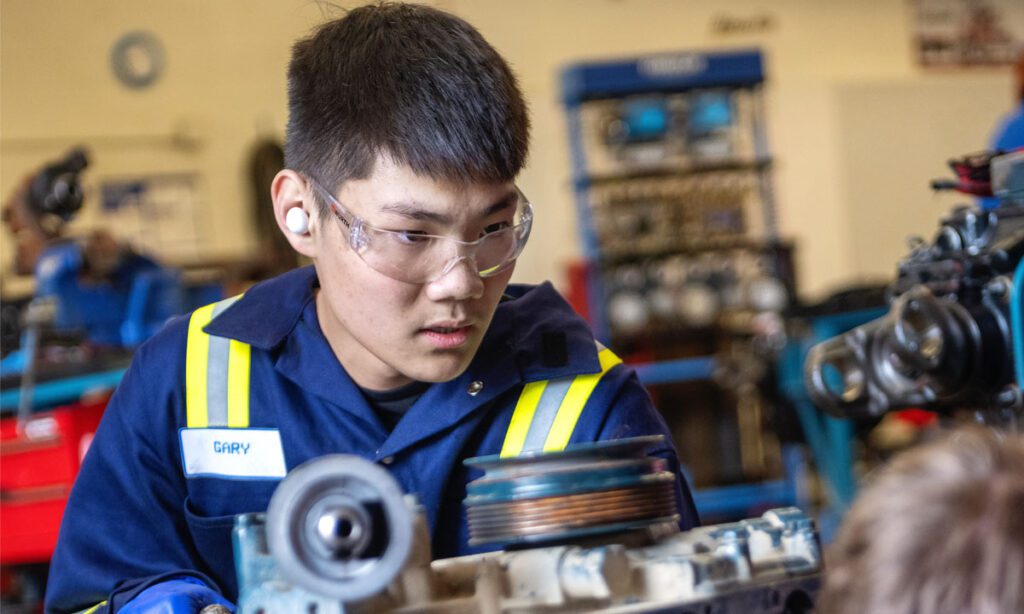
Before applying, it’s critical to choose a trade that matches:
- Your interests (mechanical, electrical, systems)
- Your working preferences (indoor, outdoor, shift work)
- Your long-term goals (specialist, supervisor, international work)
Mistake to avoid:
Choosing a trade only because it’s popular — not because it suits you.
Step 2: Entry Requirements for Apprenticeships
Most apprenticeships do not require a degree, but you’ll usually need:
- Basic literacy and numeracy
- Physical ability for hands-on work
- Willingness to learn and follow safety rules
- A strong work ethic
Some trades may require:
- Entry tests
- Medical fitness checks
- Basic safety certifications
Career switchers are highly accepted, especially those with maturity and discipline.
Step 3: Finding an Apprenticeship Opportunity

Apprenticeships can be found through:
- Employers and workshops
- Training colleges
- Industry programs
- Government or industry bodies
Once accepted, you’ll be employed while training — this is the earn-while-you-learn advantage.
Step 4: On-the-Job Training (Where Real Learning Happens)
This is the core of every apprenticeship.
You will:
- Assist qualified tradespeople
- Learn tool handling and safety
- Perform inspections and basic repairs
- Gradually take on more responsibility
Progression is competency-based, not time-based.
The more you learn and perform safely, the faster you advance.
Step 5: Classroom or Technical Training

Alongside work, apprentices attend:
- Technical colleges
- Block release training
- Online or modular learning
This covers:
- Theory behind systems
- Drawings and schematics
- Regulations and standards
- Diagnostics and fault-finding principles
Theory supports practice — not the other way around.
Step 6: Assessments, Logbooks, and Competency Sign-Off
Throughout your apprenticeship, you’ll complete:
- Practical assessments
- Skills logbooks
- Trade tests or final evaluations
These ensure:
- Safety competence
- Technical understanding
- Industry-recognized qualification
Once completed, you become a fully qualified tradesperson.
Step 7: Life After Apprenticeship
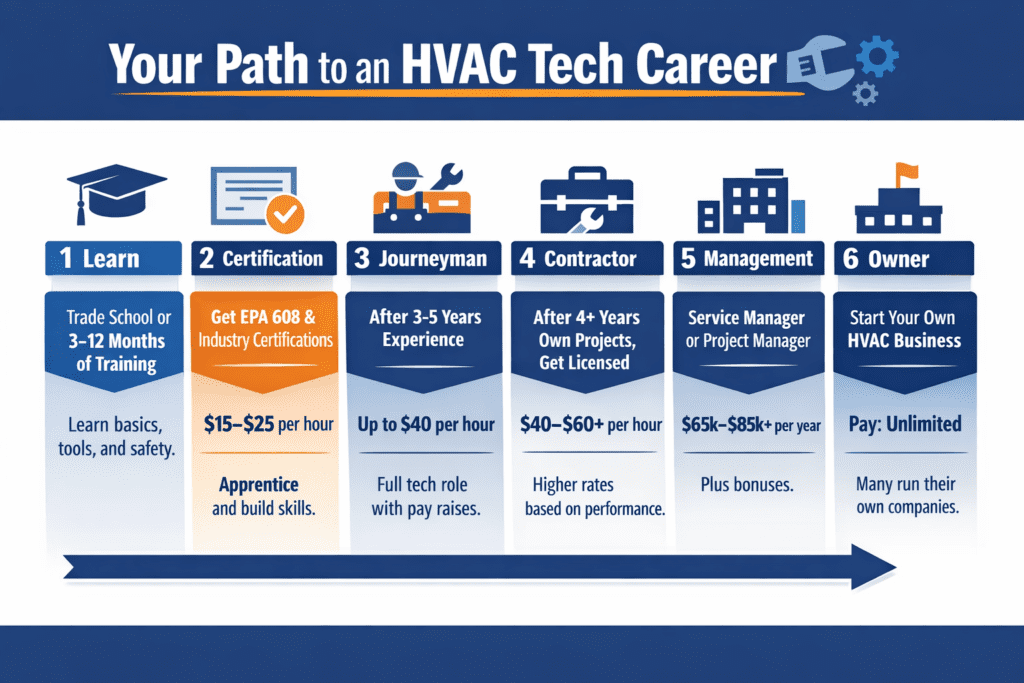
After qualifying, options include:
- Specializing in diagnostics or systems
- Moving into supervision
- OEM or manufacturer support roles
- Teaching, training, or consulting
- Starting a business
Your apprenticeship is the foundation, not the ceiling.
How Long Does a Trade Apprenticeship Take?
Typically:
- 2–4 years, depending on trade and country
- Progress depends on competence, not just time
The long-term return far outweighs the initial commitment.
Is an Apprenticeship Worth It?
Yes — especially if you want:
- Job security
- Practical, respected skills
- Global work opportunities
- A career built on performance, not titles
Apprenticeships reward consistency, discipline, and learning.
Conclusion: Apprenticeships Build Real Careers
Trade apprenticeships are one of the smartest entry points into technical careers. They provide real experience, real income, and real progression — without the burden of long academic debt.
In the next article, we’ll cover common apprenticeship mistakes and how to avoid them, so you can progress faster and safer.
Frequently Asked Questions About Trade Apprenticeships
Q1: Do trade apprenticeships pay?
Yes. Apprentices earn a wage while training, increasing as skills improve.
Q2: Are apprenticeships only for young people?
No. Career switchers and mature apprentices are common and valued.
Q3: Can apprenticeships lead to management roles?
Yes. Many supervisors, managers, and consultants started as apprentices.