

Komatsu Hybrid Excavator – How the Hybrid System Works (Technician Breakdown)
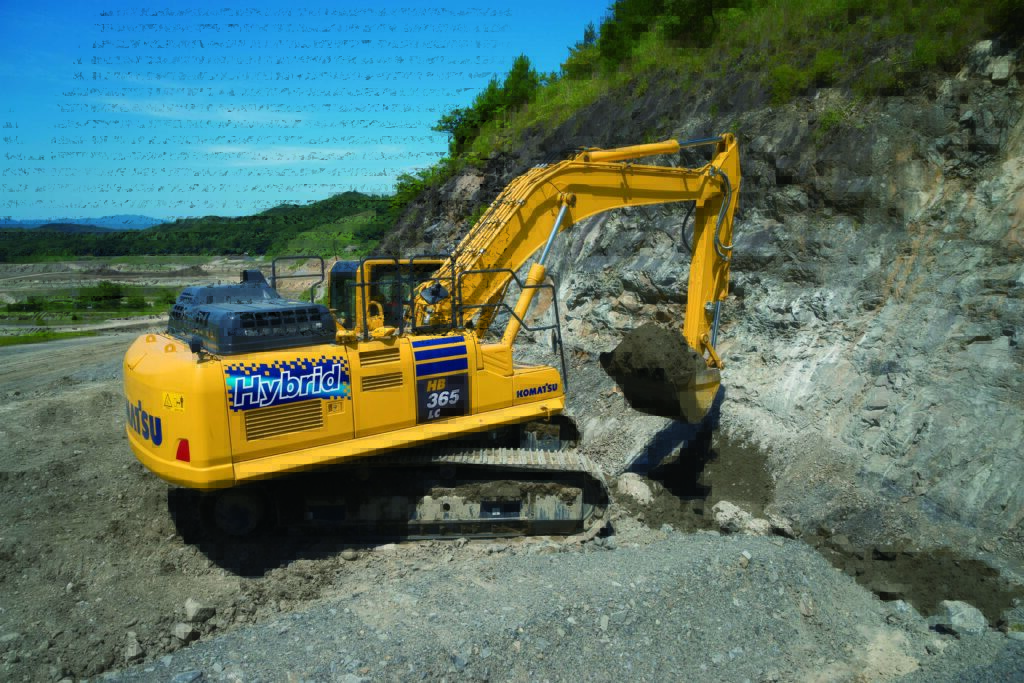
The hybrid excavator program from Komatsu Ltd. represents one of the most practical steps toward electrification in heavy equipment.
Unlike full electric machines, Komatsu’s hybrid system keeps a conventional diesel engine — but integrates electric energy recovery into the swing system.
For diesel technicians, this means:
You are no longer working on just hydraulics and diesel — you are now maintaining a mechanical-electrical hybrid platform.
Let’s break it down properly.
Overview of the Komatsu Hybrid Excavator Concept
Most well-known model in this category:
HB365LC-3 Hybrid Excavator
Machine class:
- 36-ton class
- Quarry & heavy construction focused
- Designed for high swing-cycle applications
The key idea:
Recover energy during swing deceleration and reuse it to assist the next movement.
This reduces:
- Fuel consumption
- Engine load
- Emissions output
How the Komatsu Hybrid Excavator System Actually Works
Unlike automotive hybrids, Komatsu’s system focuses on the swing circuit.
Core Components:
- Diesel engine (conventional power source)
- Electric swing motor-generator
- Inverter/converter unit
- Energy storage capacitor module (not traditional battery)
- Hybrid control unit
Energy Recovery Process
Step 1 – Swing Deceleration
When the upper structure slows down, kinetic energy is normally lost as heat.
In this system:
The electric swing motor acts as a generator.
Step 2 – Energy Storage
Recovered energy is stored in:
High-capacity capacitor modules.
Important:
Komatsu uses capacitors instead of lithium batteries for faster charge/discharge cycles.
Step 3 – Power Assist
During the next swing:
Stored electrical energy assists the diesel engine by powering the swing motor.
Result:
- Lower fuel demand
- Reduced engine load spikes
- Smoother operation
Diesel Engine Integration
The Komatsu hybrid Excavator system still relies on a Tier 4 Final / Stage V compliant diesel engine.
Key features include:
- High-pressure common rail fuel system
- Electronic engine control
- Aftertreatment system (DOC + DPF + SCR)
Difference from conventional excavator:
The engine operates under more stable load conditions because electric assist absorbs peak demands.
This can:
✔ Improve fuel efficiency (up to ~20% in swing-intensive applications)
✔ Reduce mechanical stress
✔ Lower thermal cycling stress
What This Means for Technicians
1️⃣ High-Voltage Awareness
Even though it’s not a full EV:
You now have high-voltage components onboard.
Technicians must:
- Follow isolation procedures
- Understand lock-out/tag-out for hybrid circuits
- Use proper insulated tools when required
2️⃣ Capacitor System Differences
Unlike lithium battery systems:
Capacitors:
- Charge/discharge very quickly
- Have different failure modes
- Can retain residual voltage briefly after shutdown
Diagnostic procedures must include:
- Voltage discharge verification
- Hybrid system fault code interpretation
3️⃣ Dual Diagnostic Approach
You now diagnose:
Mechanical faults
+
Electrical hybrid system faults
Common issues may include:
- Hybrid controller communication errors
- Inverter overheating
- Capacitor degradation
- Swing motor sensor faults
This demands:
- OEM diagnostic software proficiency
- CAN bus troubleshooting skills
- Hybrid system training
Comparison: Hybrid vs Conventional Excavator
| Feature | Conventional Excavator | Komatsu Hybrid |
|---|---|---|
| Swing System | Hydraulic only | Electric assist |
| Energy Recovery | None | Yes |
| Fuel Efficiency | Standard | Improved |
| Electrical Complexity | Moderate | High |
| Diagnostic Level | Mechanical + ECU | Mechanical + ECU + Hybrid control |
Hybrid systems reduce fuel burn — but increase diagnostic complexity.
Service & Maintenance Considerations
Routine Maintenance:
- Similar diesel service intervals
- Aftertreatment maintenance unchanged
Additional Hybrid Inspections:
- Cooling system for inverter
- Electrical harness integrity
- Capacitor health checks
- Hybrid system fault history review
Technicians must treat hybrid components with the same respect as high-pressure fuel systems.
Is Hybrid the Future?
Hybrid systems are ideal for:
- High cycle swing operations
- Quarry loading
- Repetitive truck loading work
They may not show as much benefit in:
- Long travel distance applications
- Low swing demand sites
For African and developing regions:
Hybrid adoption will depend on:
- Technician skill levels
- Availability of OEM diagnostic support
- Parts accessibility
Final Verdict – From a Trades Perspective
The Komatsu hybrid system is not marketing hype.
It is a practical fuel-saving technology that:
✔ Keeps diesel engine familiarity
✔ Introduces manageable electrification
✔ Prepares technicians for future electric transitions
However:
⚠ Electrical training is no longer optional
⚠ Workshop safety standards must rise
⚠ Diagnostic literacy must improve
The hybrid excavator is the bridge between diesel-only machines and full electric construction equipment.
And smart technicians should start preparing now.