

Skill Level Check – Are You Actually Employable Abroad?
Introduction: Brutal Honesty Before You Apply
Many tradesmen believe they’re “ready for overseas work” because they’ve been busy, experienced, or trusted back home.
That belief is dangerous.
Overseas employers don’t hire based on effort or loyalty.
They hire based on measurable competence, independence, and risk reduction.
This article is a reality check—not to discourage you, but to show you exactly where you stand before you submit an application.
The Overseas Hiring Standard (What Employers Assume)
When an overseas employer hires you, they assume you can:
- Diagnose faults, not guess
- Work safely without supervision
- Follow OEM procedures exactly
- Document work clearly and correctly
- Protect uptime, assets, and people
If you need constant guidance, improvisation, or shortcuts—you are not export-ready yet.
Level 1: The Workshop-Dependent Technician
Be honest—this is where many stop.
Typical Traits
- Strong on strip-and-rebuild work
- Relies on senior techs for diagnostics
- Learns mainly through repetition
- Limited documentation experience
Overseas Reality
This level will not pass interviews or trade tests abroad.
Why?
- Overseas sites don’t have time to train basics
- Mistakes are expensive
- Safety incidents are unacceptable
If this is you, don’t panic—but don’t apply yet.
Level 2: The Independent Troubleshooter
This is the minimum level most overseas employers want.
You should be able to:
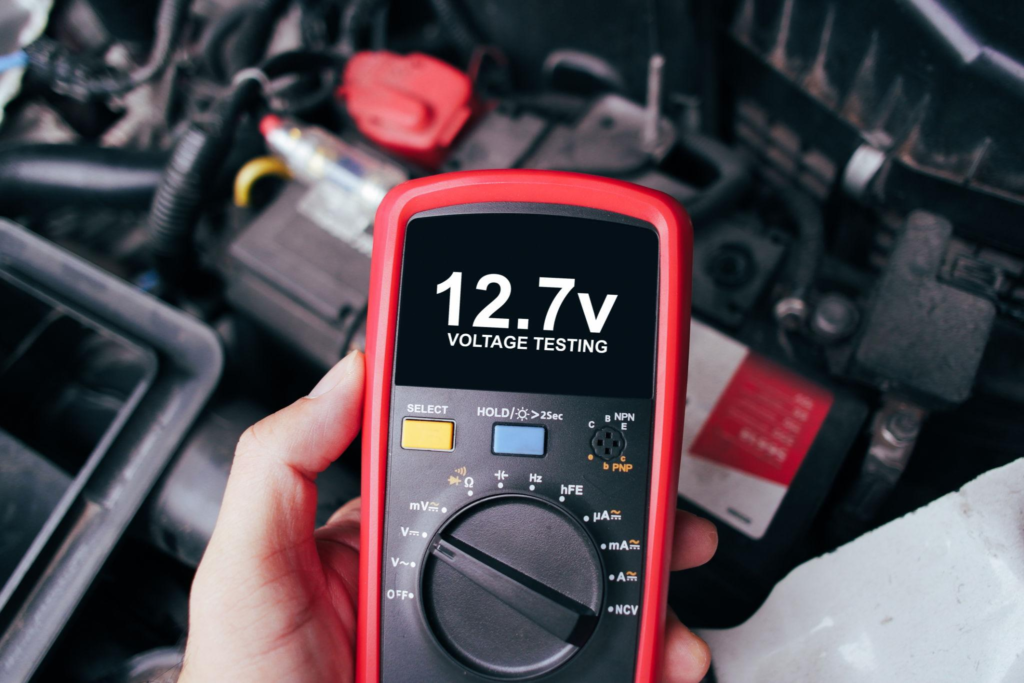
- Diagnose electrical faults with a multimeter
- Understand hydraulic systems beyond hose changes
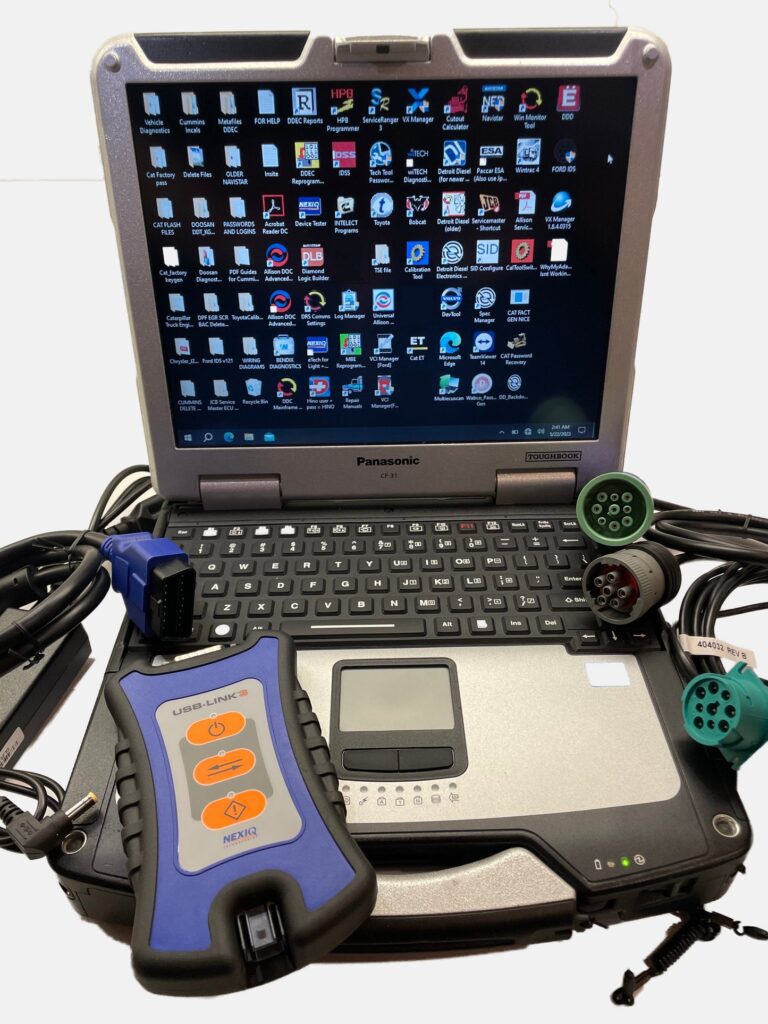
- Use diagnostic software (even if limited access locally)
- Read schematics and service manuals
- Complete job cards with clarity
At this level, you can survive overseas—but not stand out.
Level 3: The Export-Ready Technician
This is where contracts, money, and stability start.
You can:
- Diagnose under pressure
- Prove faults logically
- Prevent repeat failures
- Work unsupervised on complex systems
- Communicate clearly with supervisors
You don’t rush.
You don’t guess.
You don’t hide mistakes.
You solve problems and explain how you solved them.
The 5 Skill Level Checks Overseas Employers Test (Directly or Indirectly)
1. Diagnostics Thinking
They care less about speed and more about:
- Logical fault isolation
- Evidence-based decisions
- Avoiding unnecessary part changes
If you can’t explain why you changed a part—you’re weak here.
2. Electrical & Electronic Competence
This is where many fail.
You should understand:
- Sensors vs actuators
- Power, ground, and signal faults
- CAN communication basics
- How ECUs protect engines
Overseas equipment is electronics-heavy. Guesswork gets people fired.
3. Hydraulics Understanding
Not just:
- “The hose burst”
But:
- Why pressure spiked
- Why heat increased
- Why components failed repeatedly
Hydraulics separate mechanics from technicians.

4. Documentation & Reporting
This is non-negotiable.
You must:
- Write clear job cards
- Record findings and actions
- Report defects accurately
- Follow permit and isolation procedures
Poor documentation is treated as professional negligence abroad.
5. Safety Discipline
This matters more than skill.
Employers look for:
- Lockout/tagout discipline
- PPE compliance
- Stop-work authority
- Hazard identification
A brilliant technician who ignores safety is a liability, not an asset.
The Question Overseas Interviewers Really Ask
They may not say it directly, but they’re thinking:
“If something goes wrong at 2 a.m., will this technician make the situation better—or worse?”
Your skill level checks must answer that question confidently.
Self-Test: Answer These Without Help
If you struggle here, you’re not ready yet:
- How do you prove a sensor is faulty?
- What steps do you follow before replacing an ECU-related component?
- How do you confirm a hydraulic pressure issue safely?
- How do you document a temporary repair correctly?
- What safety steps come before fault-finding?
No confidence = no export readiness.
Final Advice: Don’t Rush the Application
Working abroad rewards prepared technicians, not hopeful ones.
If you’re not there yet:
- Upgrade your diagnostics
- Improve electrical skill level checks
- Practice documentation
- Learn OEM procedures
It’s better to apply six months later and succeed than apply now and fail publicly.