

Top Technical Careers You Can Start Without a Degree
A university degree is no longer the only path to a successful, respected, and well-paid career. Across industries like construction, mining, manufacturing, energy, and transport, technical careers based on skill—not degrees—are in extremely high demand.
This article is based on real-world experience across technical trades, apprenticeships, and industrial environments.
For students, apprentices, and career switchers, trades and technical roles offer something many degree paths don’t:
- Faster entry into the workforce
- Earn-while-you-learn opportunities
- Practical skills with global demand
- Clear career progression
This article breaks down top technical careers you can start without a degree, what they involve, and who they are best suited for.
Why Degrees Are No Longer the Only Gateway
Many employers today prioritize:
- Practical competence
- Safety awareness
- Diagnostic and problem-solving skills
- Proven hands-on experience
In technical fields, what you can do matters more than what you studied. Apprenticeships, vocational training, and on-the-job learning now produce professionals who outperform theory-only graduates in real environments.
1. Diesel Mechanic / Heavy Equipment Technician
What the Role Involves
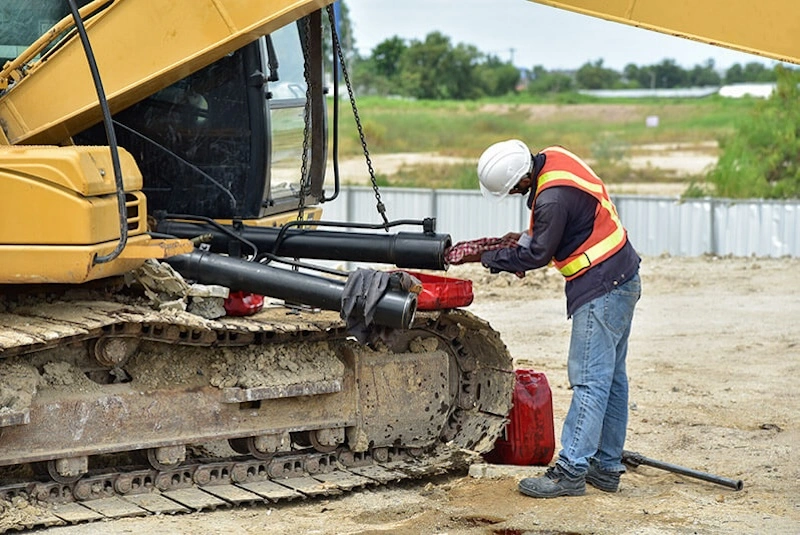
- Servicing and repairing diesel engines
- Diagnosing hydraulic, electrical, and mechanical systems
- Working on trucks, excavators, loaders, generators, and plant equipment
Why It’s in Demand
- Global equipment shortage of skilled technicians
- Increasing machine complexity
- Strong mining, construction, and logistics demand
Career Growth
Apprentice → Technician → Senior Technician → Supervisor → OEM Support / Consultant
Best for: Problem solvers who enjoy machines and diagnostics.
2. Electrician (Industrial / Commercial)
What the Role Involves
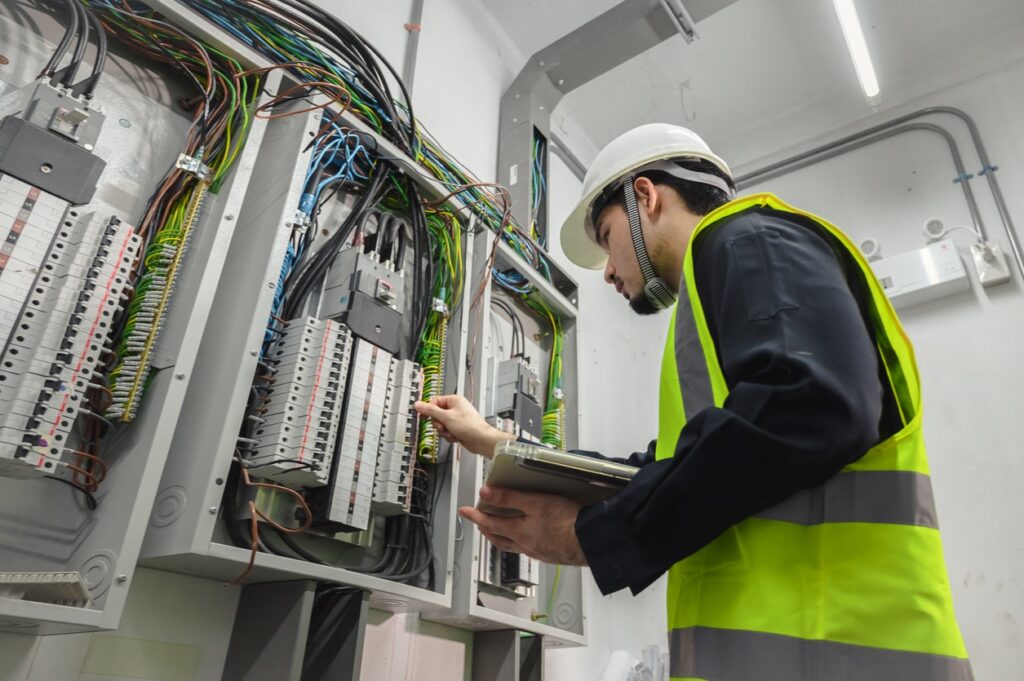
- Installing and maintaining electrical systems
- Fault-finding on motors, control panels, and power systems
- Ensuring safety and compliance
Why It’s in Demand
- Industrial expansion
- Renewable energy growth
- Automation and control systems
Career Growth
Apprentice → Electrician → Instrumentation / Automation Specialist → Supervisor
Best for: Logical thinkers who enjoy precision and safety-critical work.
3. Welder / Fabricator
What the Role Involves
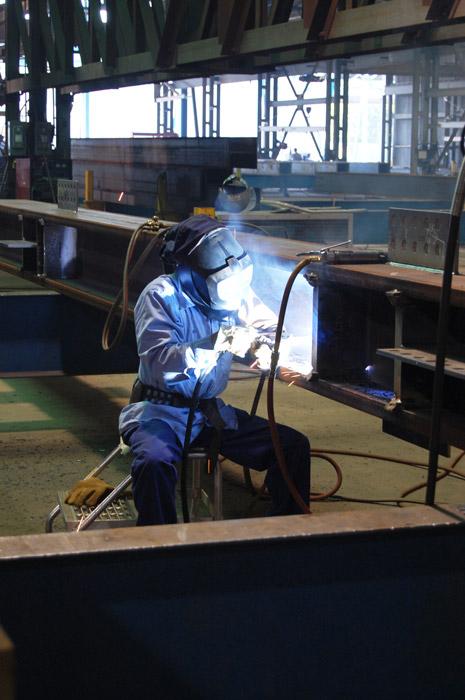
- Welding structural steel and components
- Fabricating parts and frameworks
- Reading drawings and specifications
Why It’s in Demand
- Infrastructure projects
- Mining and oil & gas
- Specialized coded welding shortages
Career Growth
Welder → Specialist (coded welding) → Supervisor → Inspector
Best for: Hands-on workers who value precision and craftsmanship.
4. Mechanical Fitter / Millwright
What the Role Involves
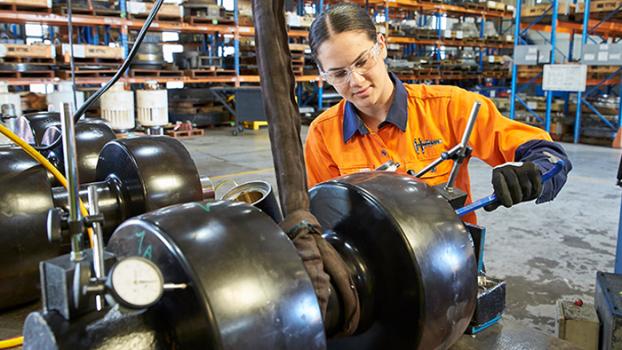
- Installing and aligning machinery
- Maintenance of rotating equipment
- Preventive and breakdown maintenance
Why It’s in Demand
- Plant downtime is extremely costly
- Manufacturing and processing plants rely on fitters
Career Growth
Fitter → Senior Fitter → Maintenance Supervisor → Plant Manager
Best for: Detail-oriented individuals who enjoy precision mechanics.
5. HVAC Technician
What the Role Involves
- Installing and maintaining heating and cooling systems
- Refrigeration systems
- Energy efficiency and compliance
Why It’s in Demand
- Climate control is essential in modern buildings
- Data centers, hospitals, and factories rely on HVAC
Career Growth
Technician → Specialist → Supervisor → Contractor
Best for: Practical learners who enjoy system-based work.
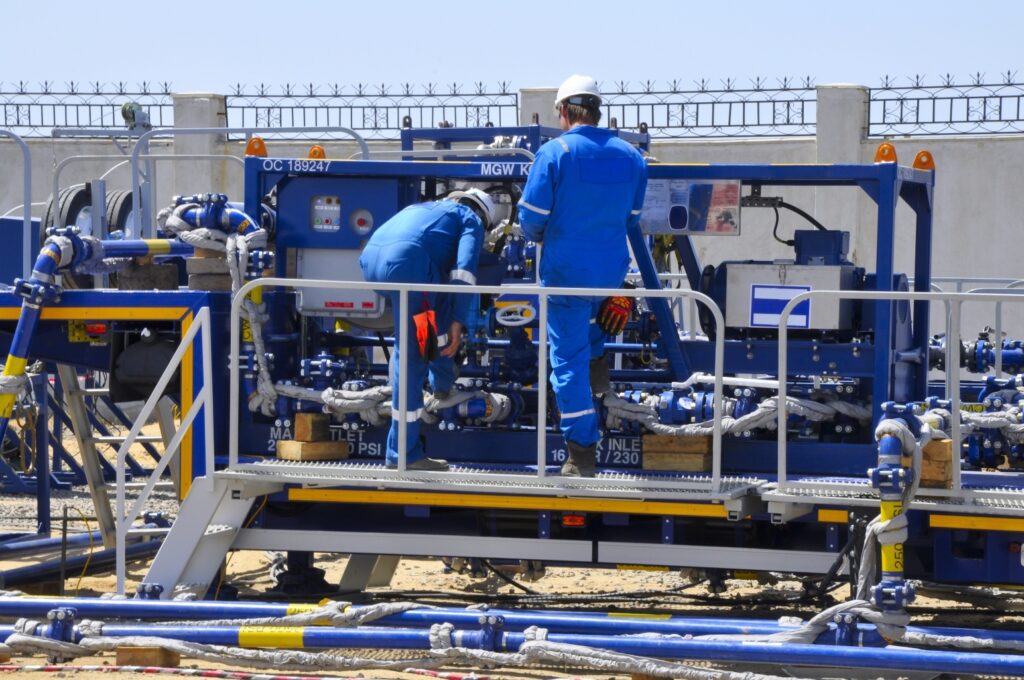
6. Instrumentation & Automation Technician
What the Role Involves
- Working with sensors, PLCs, and control systems
- Calibration and diagnostics
- Supporting automation systems
Why It’s in Demand
- Industry 4.0
- Smart factories and plants
- Scarcity of skilled automation technicians
Career Growth
Technician → Automation Specialist → Control Engineer → Technical Manager
Best for: Technically curious learners who enjoy electronics and logic.
How to Choose the Right Technical Career
Ask yourself:
- Do I enjoy mechanical or electrical systems?
- Do I prefer working indoors or outdoors?
- Am I comfortable with tools and diagnostics?
- Do I want international opportunities?
Choosing the right trade early saves years of frustration later.
Trades and Technical Careers Are Built on Skill, Not Status
You don’t need a degree to:
- Earn a strong income
- Build a respected career
- Work internationally
- Progress into leadership or business ownership
What you need is:
- Commitment to learning
- Discipline
- Willingness to start at apprentice level
Conclusion: A Degree Is Optional — Skills Are Not
Technical careers offer one of the most direct and reliable paths to long-term employment and growth.
If you are willing to learn, work safely, and develop real skills, the opportunities are enormous.
In the next article, we’ll explain how trade apprenticeships work step by step and how to choose the right one for your goals.
Frequently Asked Questions About Technical Careers Without a Degree
Q1: Can you really start a technical career without a degree?
Yes. Most technical careers rely on apprenticeships, vocational training, and hands-on experience rather than university degrees.
Q2: Are technical careers suitable for career switchers?
Yes. Many career switchers successfully transition into trades due to practical learning and fast entry into employment.
Q3: Which technical careers are most in demand?
Diesel mechanics, electricians, welders, fitters, HVAC, and automation technicians are among the most in-demand globally.
Q4: Do technical careers offer long-term growth?
Yes. Trades offer progression into specialist, supervisory, management, consulting, and business ownership roles.