

Why Trades Are a High Demand Career Path (And Why That Demand Is Growing)
For decades, skilled trades were wrongly treated as a “backup option.” Today, the reality has flipped. Across construction, heavy equipment, electrical, mechanical, and industrial sectors, trades are among the most in-demand and future-proof careers available.
From workshops and mines to factories and infrastructure projects, employers are struggling to find qualified, reliable tradespeople. This demand isn’t temporary — it’s structural, global, and growing.
Whether you’re a student choosing a career, an apprentice starting out, or a career switcher leaving an office job, understanding why trades are a high demand career path helps you make smarter long-term decisions.
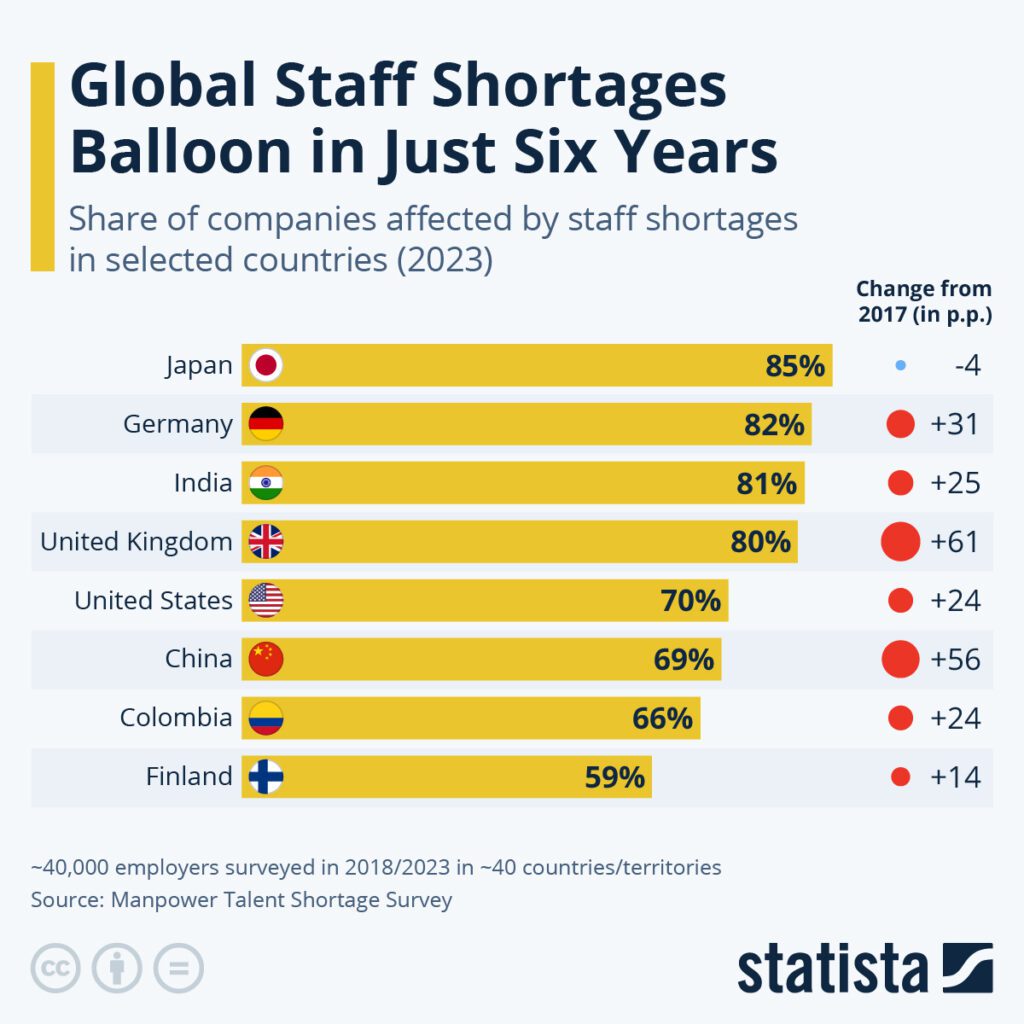
1. The Global Skills Shortage Is Real
One of the biggest drivers of trade demand is a skills gap.
- Older, experienced tradespeople are retiring
- Fewer young people entered trades over the last 20 years
- Infrastructure, energy, and industrial projects are increasing
The result?
👉 More work than skilled people available to do it
This shortage affects:
- Diesel mechanics and heavy equipment technicians
- Electricians and electrical technicians
- Welders and fabricators
- Fitters, millwrights, and plant maintenance staff
When demand exceeds supply, job security and wages increase — and that’s exactly what’s happening in trades today.
2. Trades Power the Real Economy
Trades don’t disappear when trends change.
Every economy depends on:
- Machines being repaired
- Power systems running
- Vehicles, equipment, and plants maintained
- Infrastructure built and serviced
You cannot outsource:
- A broken excavator
- A failed electrical system
- A shutdown production line
This makes trade careers recession-resistant compared to many office-based roles.
3. Trades Offer Faster Entry Into the Workforce
Unlike many degree paths that require 3–5 years before earning, trades allow you to:
- Start earning while learning (apprenticeships)
- Gain practical experience immediately
- Build skills that employers value from day one
Many apprentices earn income within their first year, while developing a skill that compounds in value over time.
For career switchers, this is a major advantage:
- Lower training debt
- Faster income recovery
- Practical, measurable progress
4. Technology Is Increasing Demand — Not Replacing Trades
There’s a myth that automation and AI will eliminate trades. In reality, the opposite is happening.
Modern trades now require:
- Diagnostic skills
- Electrical and electronic understanding
- Digital tools and software
- Systems thinking
Machines are becoming more complex, not simpler. Someone still needs to:
- Diagnose faults
- Repair systems
- Maintain safety and compliance
Technology has raised the skill ceiling, making qualified tradespeople even more valuable.
5. Trades Offer Clear Career Progression
Trades are not “dead-end jobs.” They offer structured growth paths:
- Apprentice → Qualified tradesperson
- Tradesperson → Senior technician / specialist
- Specialist → Supervisor / team leader
- Supervisor → Manager / technical advisor
- Manager → Consultant / business owner
Your hands-on experience becomes leverage for leadership, training, or consulting roles later in your career.
6. Global and Expat Opportunities Are Strong
Skilled trades travel well.
Many countries actively recruit:
- Heavy equipment technicians
- Diesel mechanics
- Electricians
- Industrial maintenance staff
With the right experience and certifications, tradespeople can access:
- International contracts
- Offshore projects
- Mining and infrastructure work
- OEM and manufacturer support roles
This makes trades attractive for those seeking mobility and global exposure.
7. Trades Reward Skill, Not Titles
In technical fields, results matter more than credentials.
You are valued for:
- What you can fix
- What you can diagnose
- How safely and efficiently you work
- How well you solve problems
This creates a fairer system where:
- Skill beats theory
- Experience beats hype
- Performance beats politics
8. Trades Support Entrepreneurship
Many tradespeople eventually:
- Start small service businesses
- Become contractors
- Offer consulting or training
- Build workshops or service fleets
Few careers allow you to move from employee to business owner as naturally as a trade does.
9. Who Should Seriously Consider a Trade Career?
Trades are especially suited for:
- Students who prefer practical learning
- Career switchers tired of desk-bound work
- People who enjoy problem-solving
- Individuals who want stable, respected work
- Those seeking global opportunities
If you enjoy building, fixing, understanding systems, and seeing tangible results, trades are a strong fit.

Conclusion: Trades Are Not the Past — They Are the Future
Trades are no longer a fallback option. They are a strategic career choice.
High demand, strong job security, global mobility, and clear progression make skilled trades one of the smartest long-term paths available today.
In the next article, we’ll break down technical careers you can start without a degree and how to choose the right trade for your goals.