

What Makes A Good Diesel technician/ Skills OEMs Look For
Introduction
Many people believe a good diesel technician is someone who can strip and rebuild an engine quickly. In reality, OEMs, supervisors, and global employers measure technicians very differently.
Turning spanners is only the entry ticket. What makes a technician good—and employable worldwide—is how they think, diagnose, document, and work to standard.
This article explains what truly defines a professional diesel technician beyond physical skills.
1. Technical Thinking, Not Just Mechanical Ability
A professional diesel technician understands why a failure happens, not just how to replace parts.
Good technicians:
- Follow diagnostic logic instead of guessing
- Use service manuals and fault trees
- Confirm root cause before repairs
OEMs do not reward fast guessing. They reward correct diagnosis.
2. Respect for OEM Procedures and Specifications
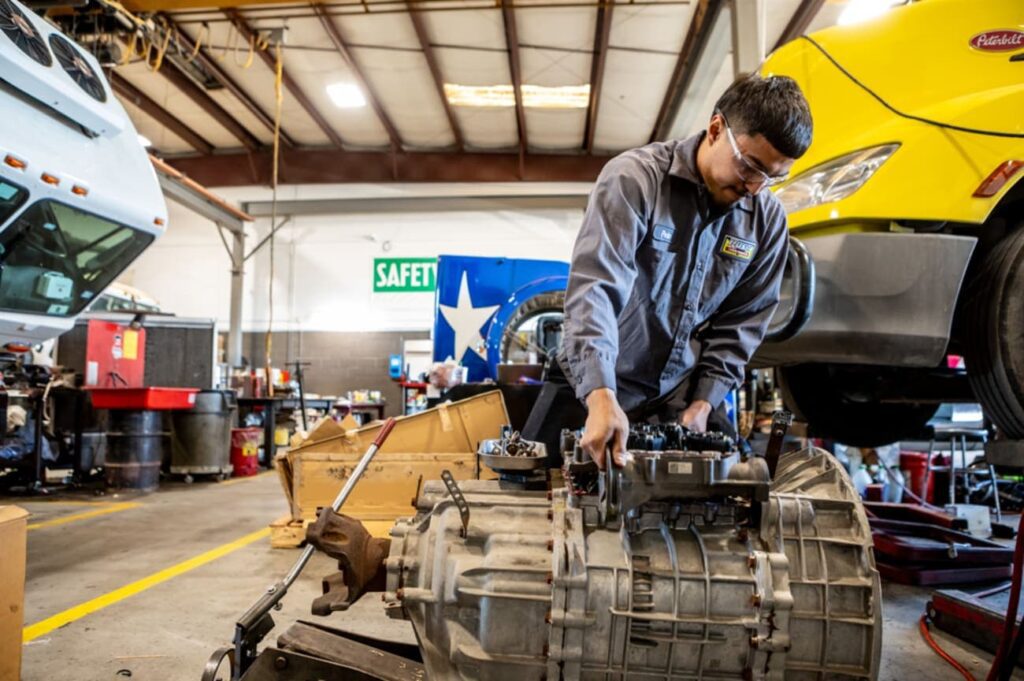
Torque values, tightening sequences, cleanliness levels, and setup procedures are not suggestions.
A good technician:
- Works strictly to OEM specifications
- Understands why tolerances exist
- Knows shortcuts lead to repeat failures
From an OEM perspective, non-compliance equals liability.
3. Clean Workmanship and Attention to Detail
Most catastrophic diesel failures start with:
- Dirt contamination
- Incorrect torquing
- Poor assembly practices
Professional technicians:
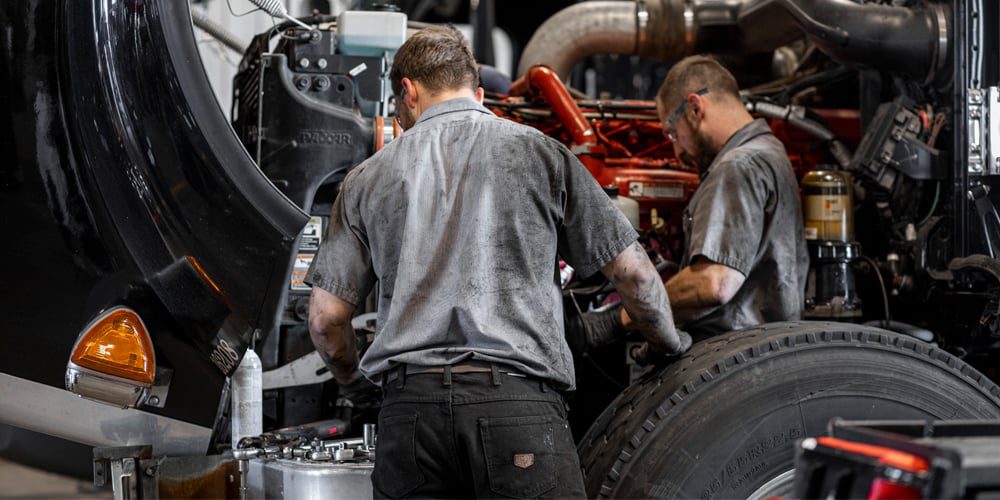
- Keep clean workspaces
- Plug open ports immediately
- Treat fuel and hydraulic systems as sterile
Cleanliness is a skill, not a habit.
4. Diagnostics Over Parts Replacement
Replacing parts without evidence is expensive and dangerous.
Good technicians:
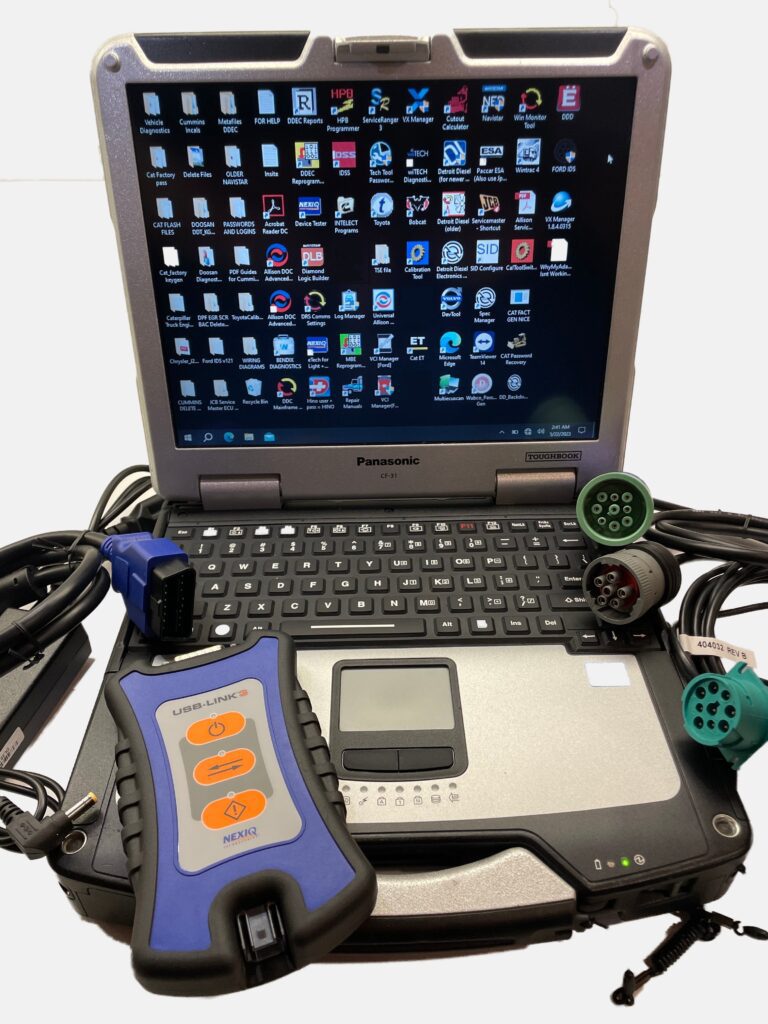
- Use fault codes as starting points, not answers
- Test sensors, wiring, and mechanical systems
- Confirm repairs with data and rechecks
OEMs track repeat failures—and the technicians behind them.
5. Documentation and Communication Skills
A technician who cannot explain their work creates risk.
Professional technicians:
- Write clear job card notes
- Capture fault codes and measurements
- Take before-and-after photos
Good documentation protects:
- The technician
- The workshop
- Warranty claims
6. Attitude and Accountability
OEMs value technicians who:
- Admit uncertainty
- Ask questions early
- Own mistakes and learn from them
Blaming parts, tools, or supervisors is a career killer.
Conclusion
A good diesel technician is not the fastest, not the loudest, and not the most experienced on paper.
They are the ones who:
- Think systematically
- Work clean
- Follow standards
- Diagnose accurately
- Document professionally
That is the technician OEMs trust.