Monday to Saturday - 8:00 -17:30
Meet Your Instructor Quest Mhandu
MEET YOUR INSTRUCTOR: QUEST MHANDU
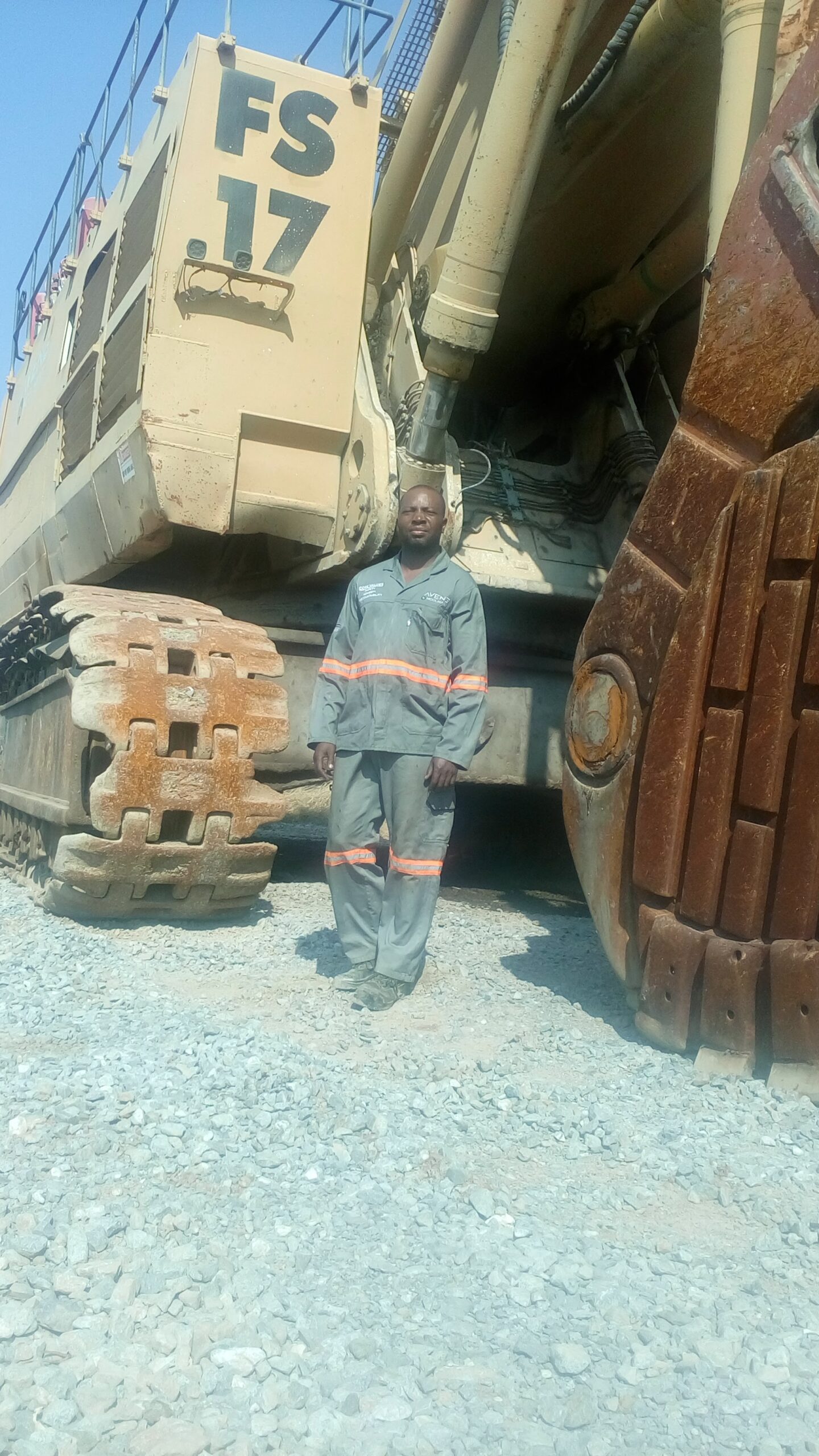
SECTION 1: MEET YOUR INSTRUCTOR Quest Mhandu
When you are diagnosing a complex machinery failure on a remote site under intense operational pressure, theoretical knowledge from a textbook cannot replace real-world experience. True technical authority is developed over time through years of hands-on work in service bays, diagnostic trucks, and maintenance offices. That field-tested background is the exact foundation supporting Modern Trade Skills.
+—————————————————————————-+
| INSTRUCTOR PROFILE AT A GLANCE |
+—————————————————————————-+
| * Professional Authority: Quest Mhandu |
| * Industry Experience: 30+ Years Active Field & Management Service |
| * Core Sectors: Surface & Underground Mining, Heavy Construction, Railways |
| * Global Footprint: Expatriate Leadership in Botswana & Saudi Arabia |
| * Foundational Focus: Developing Analytical Thinkers & System Leaders |
+—————————————————————————-+
Quest Mhandu is a seasoned heavy equipment professional, a trusted workshop leader, a dedicated technical mentor, and an instructor with over three decades of practical experience across global industries. His career has taken him from the floor of heavy industrial workshops to senior maintenance management roles, giving him a comprehensive view of the industrial trades sector. He has worked directly with production-critical assets across surface and underground mining operations, civil infrastructure construction fleets, and heavy rail logistics networks.
Quest’s educational philosophy is built on an important distinction: the difference between simply swapping parts and executing disciplined system diagnostics. He has spent his career mentoring apprentices and qualified technicians, helping them move past trial-and-error troubleshooting to develop a systematic approach to diagnostics. This experience led him to establish Modern Trade Skills—a professional educational space built on a single, clear guiding standard:
Developing Diagnostic Leaders, Not Parts Changers.
Quest does not teach abstract academic concepts. He teaches real-world machinery logic, practical maintenance execution, and structured workshop management strategies. He provides the exact technical and leadership skills required to solve complex problems, manage profitable repair operations, and build rewarding global trades careers.
SECTION 2: THE JOURNEY THROUGH THE TRADES
Every master diagnostic technician began their career exactly the same way: holding a flashlight, cleaning components, and learning the foundational safety rules of an active workshop floor. Quest Mhandu’s three-decade career in the industrial trades started with that same hands-on discipline.
+—————————————————————————-+
| PERFORMANCE TIMELINE: FORMING THE TECHNICAL BACKBONE |
+—————————————————————————-+
| Phase 1: Tool Mastery & Blueprint Analysis -> Precision Tolerances |
| Phase 2: High-Pressure Mechanical Overhauls -> Component Failure Paths |
| Phase 3: Cross-Functional Electrical Integration -> Network Fault Tracing |
+—————————————————————————-+
The Value of Foundational Precision
Entering the trade as an apprentice, Quest learned early that precision is the absolute baseline of quality mechanical execution. Working with heavy industrial machinery requires strict attention to detail. He spent his early years mastering precision measuring instruments—such as micrometers, dial indicators, and cylinder ridge gauges—and learning to read complex parts manuals and engineering blueprints accurately.
This early training taught him to treat machinery with a high level of respect. He learned that a difference of a hundredth of a millimeter in a bearing clearance, or an improper torque sequence on a cylinder head, can mean the difference between a reliable machine repair and a catastrophic component breakdown in the field.
Developing Practical Insights
As he completed his trade training and moved into independent repair work, Quest focused heavily on understanding failure paths. He did not just replace worn gears or leaking seals; he spent time studying the physical evidence left on failed components. He learned to identify the signs of cavitation on hydraulic pump impellers, analyze heat discoloration patterns on engine valves, and track the impact of oil contamination on high-load components.
Through thousands of hours working on heavy equipment maintenance tasks, Quest realized that mechanical components rarely fail without warning. Every failure leaves a clear physical path of evidence. By learning to read these signs early, a technician can address minor issues before they cause unexpected field breakdowns. This hands-on understanding of mechanical physics forms the backbone of his systematic approach to technical training.
SECTION 3: FROM TECHNICIAN TO LEADER
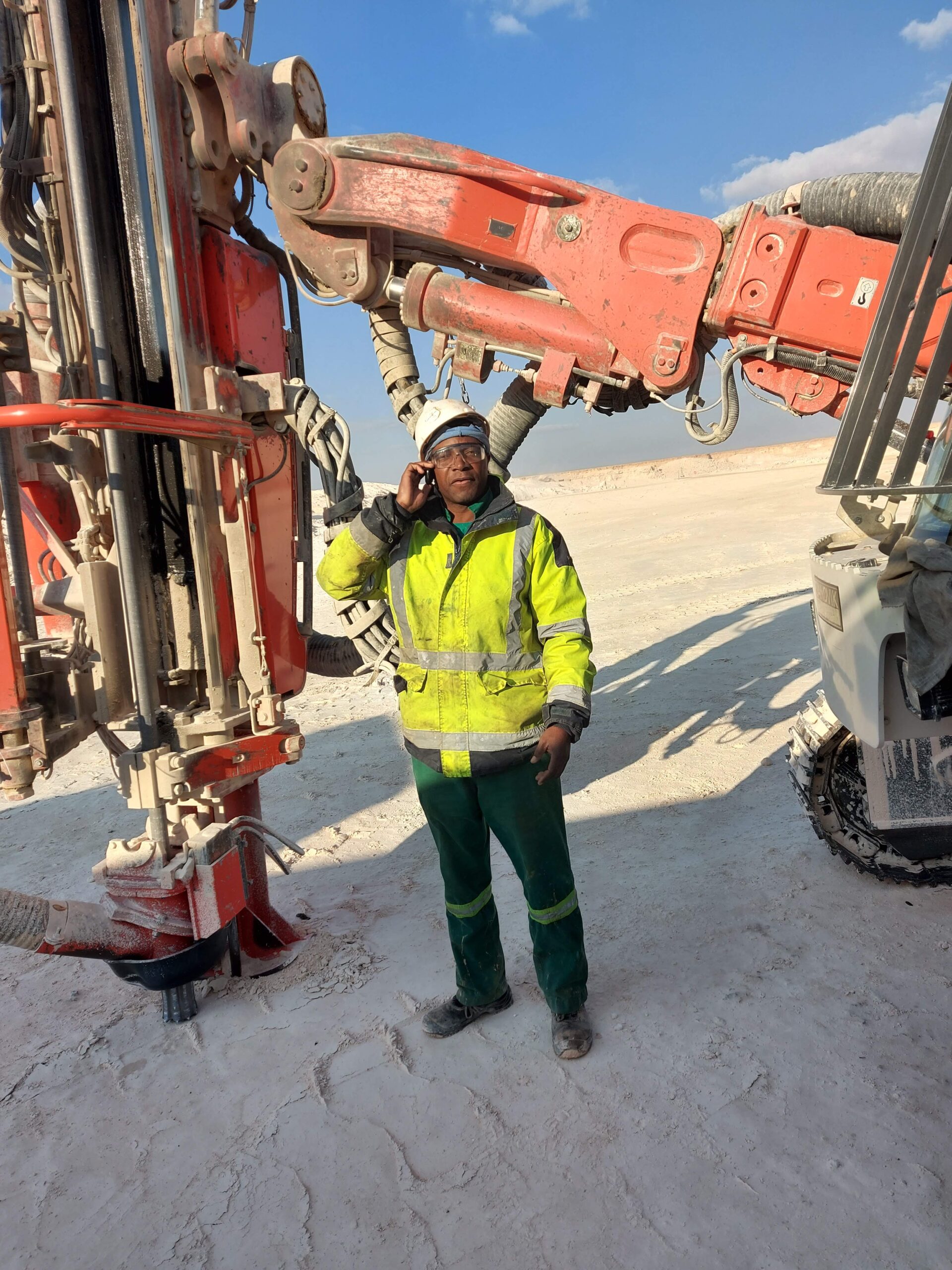
A professional career path in the heavy industrial trades is a journey of continuous development. Quest Mhandu’s career path is a clear example of this progression, moving systematically through increasing levels of responsibility from the shop floor to senior organizational leadership.
CAREER PATHWAY STRUCTURE
[Heavy Equipment Technician]
|
v
[Senior Diagnostic Specialist]
|
v
[Workshop Foreman / Leader]
|
v
[Workshop Supervisor / Crew Manager]
|
v
[Senior Maintenance Workshop Manager]
1. The Bench Technician and Senior Specialist Phase
As a qualified heavy equipment technician, Quest focused on refining his diagnostic speed and execution quality. He specialized in resolving complex mechanical and hydraulic issues across mixed construction and haulage fleets. His consistent technical performance led to his transition into a senior diagnostic specialist role, where he was regularly assigned the challenging, intermittent electronic and circuit faults that had left other mechanics frustrated. At this stage, he recognized that true diagnostic speed comes from systematic testing rather than frantic parts changing.
2. Transitioning into the Workshop Foreman Role
His performance led to his first promotion into workshop leadership as a foreman. In this role, Quest faced a new challenge: he was no longer judged solely by how fast he could complete a repair, but by how effectively his team performed. He learned to manage shop workflows, assign tasks based on individual technician strengths, coordinate shift handovers, and implement strict quality control checks to reduce rework. He discovered that clear communication and consistent standards are essential for maintaining shop floor productivity.
3. Stepping up to Workshop Supervisor and Superintendent
Moving into supervisory roles, Quest took on broader management responsibilities. He designed and implemented structured technician accountability frameworks, ran daily pre-start safety meetings, and managed work order backlogs. He also prioritized technical mentoring, creating structured development paths for apprentices on his crews to ensure the team built strong, long-term technical capabilities.
4. Executing Comprehensive Workshop Management
As a senior workshop manager, Quest assumed full responsibility for the performance, safety metrics, and financial results of large-scale maintenance departments. He managed multi-million-dollar capital budgets (CapEx) and operational expenditure lines (OpEx), directly linking maintenance team performance to broader corporate business goals.
In this role, he mastered the use of key performance data—including Mean Time To Repair (MTTR), Mean Time Between Failures (MTBF), and planned maintenance compliance metrics—to optimize shop efficiency. This comprehensive progression from the wash bay to the management office informs every resource, template, and guide provided across the Modern Trade Skills platform.
SECTION 4: EXPERIENCE IN MINING, CONSTRUCTION, AND RAILWAYS
To evaluate an instructor’s credibility, you must look at the environments where their skills were tested. Quest Mhandu’s expertise was developed within some of the most demanding operational sectors in the world, where equipment downtime can cost thousands of dollars per hour.
+—————————————————————————-+
| SECTOR PERFORMANCE OVERVIEW |
+—————————————————————————-+
| * Surface Mining: Ultra-class haul fleets, high production targets |
| * Underground Mining: Confined space logistics, zero-harm safety systems |
| * Heavy Construction: Fast-paced project mobilization, fleet optimization |
| * Railway Networks: Diesel-electric & electric locomotives, track safety |
+—————————————————————————-+
Navigating High-Stakes Mining Operations
Quest has extensive experience managing mining maintenance operations across both surface and underground environments. In open-pit operations, he managed the reliability and mechanical availability of ultra-class haulers, large production drills, and high-capacity loaders. In underground mining operations, he managed the unique challenges of maintaining equipment in confined spaces, where structural ventilation, component contamination control, and uncompromising safety isolation systems are critical.
Working in mining teaches you to manage maintenance under intense production pressure. When a critical asset stops moving on a main haul road, the workshop team must act quickly and decisively. Quest developed maintenance systems that could deliver high fleet availability targets without compromising safety protocols or repair quality.
Managing Civil Construction Fleets
In the construction equipment sector, Quest managed large, decentralized fleets operating across fast-paced infrastructure, road-building, and earthmoving projects. Construction maintenance requires high flexibility; assets move frequently between job sites, operator skill levels vary, and field logistics can be challenging.
Quest implemented structured field service programs that optimized machine uptime, minimized transit breakdowns, and streamlined parts delivery paths. He focused on training field technicians to perform reliable, independent diagnostics far away from the support of a central workshop.
Cross-Industry Mastery: Heavy Railway Operations
Beyond earthmoving and construction equipment, Quest expanded his technical background by entering the specialized sector of heavy railway maintenance operations. He managed the maintenance, fault diagnostics, and reliability profiles of both diesel-electric and fully electric locomotive fleets.
LOCOMOTIVE PACKAGING ARCHITECTURES
+———————————-+ +———————————-+
| DIESEL-ELECTRIC LOCOMOTIVES | | ELECTRIC LOCOMOTIVES |
+———————————-+ +———————————-+
| High-horsepower diesel prime | | Direct catenary power collection |
| movers driving major traction | | high-voltage transformer paths |
| alternator grids. | | solid-state thyristor controls. |
+———————————-+ +———————————-+
This railway exposure provided him with deep technical insights:
- Diesel-Electric Configurations: Managing high-horsepower diesel engines driving major traction alternators, requiring a strong understanding of power generation balance, high-current DC/AC control circuits, and dynamic braking grids.
- Fully Electric Rail Configurations: Working with direct catenary power collection systems, high-voltage transformer routing, and solid-state thyristor power management setups.
- Reliability Engineering Standards: Operating within strict rail safety regulatory structures where wheel-set profiles, braking control system response, and structural frame inspections require absolute precision.
OEM Evaluation and Equipment Procurement Strategy
Quest experience also includes high-level asset management and equipment procurement. During his time leading maintenance operations for RioZim, he travelled frequently to South Africa to evaluate, inspect, and support the procurement of major machinery and asset packages.
This role involved regular technical interactions with Original Equipment Manufacturer (OEM) facilities and engineering teams. Quest conducted detailed factory acceptance tests (FAT), audited manufacturing quality standards, and managed machine commissioning programs. This experience allowed him to see beyond everyday field repairs, providing him with an understanding of equipment design limits, component longevity curves, and international asset commissioning standards.
International Assignments: Managing Across Cultures
Quest’s professional credentials include significant international experience. He spent years working as an expatriate professional in Botswana and the Kingdom of Saudi Arabia, managing large maintenance operations within multicultural and multinational workforces.
Operating across these regions required adapting to challenging climate conditions, navigating complex global supply chains, and aligning diverse teams with international maintenance safety standards. This international background allows Quest to understand the licensing, CV formatting, and technical communication requirements needed to build a successful global trade career.
SECTION 5: A PASSION FOR DIAGNOSTICS
Throughout his 30-year journey across multiple industries, Quest Mhandu noticed a clear trend: the technicians who advanced the fastest, earned the highest wages, and were trusted with the most responsibility were not necessarily those who turned wrenches the hardest. They were the individuals who mastered the intellectual discipline of equipment diagnostics.
+—————————————————————————-+
| THE DIAGNOSTIC LEADER FRAMEWORK |
+—————————————————————————-+
| * Step 1: System Definition -> Establish clear boundaries of the failure |
| * Step 2: Evidence Collection -> Record physical pressures and voltages |
| * Step 3: Analytical Verification -> Compare live data to schematic logic |
| * Step 4: Root Cause Isolation -> Fix the true source of the breakdown |
+—————————————————————————-+
The Shifting Demands of Modern Machinery
As industrial machines evolved from simple mechanical links into complex electronic networks, Quest watched many traditional mechanics fall into the trap of reactive guesswork. When a machine threw a fault code, technicians frequently started swapping expensive parts without verifying the issue. Quest saw that this approach extended machine downtime, escalated repair costs, and left technicians feeling frustrated.
This realization led him to develop The Diagnostic Leader Method™. This framework treats diagnostics as a logical sequence of evidence gathering, schematic analysis, and root cause isolation. Quest teaches that a fault code is simply a starting point—it is a symptom of a systemic condition, not a direct instruction to replace a part.
The Value of Critical Thinking
True diagnostic expertise is built on critical thinking and systems analysis. Quest trains technicians to view a machine as an interconnected ecosystem, where mechanical parts, hydraulic fluid dynamics, and electronic control signals work together.
THE TRADITIONAL FAILURE ASSUMPTION
Active hydraulic cylinder speed drops
|
v
[Guess: Replace hydraulic pump blindly]
————————————————————-
THE SYSTEMS THINKING ANALYSIS
Active hydraulic cylinder speed drops
|
v
Analyze interlinked engine engine load profiles
|
v
Isolate engine fuel rail restriction -> Restore pump delivery
By teaching technicians to map out energy paths across a machine and verify their ideas with targeted physical tests before starting an overhaul, Quest helps tradespeople protect their shops from unforced errors. This analytical approach reduces repair times, prevents repeat failures, and helps technicians transition from reactive field mechanics into trusted diagnostic leaders.
SECTION 6: WHY MODERN TRADE SKILLS WAS CREATED
Modern Trade Skills was founded out of a clear professional responsibility: the desire to pass on decades of field-proven knowledge to the next generation of industrial tradespeople. Quest Mhandu recognized that while modern machinery technology was advancing at an exponential rate, traditional training programs were not keeping pace.
+————————————————————-+
| THE STRUCTURAL TRAINING GAP |
+————————————————————-+
| * OEM Manuals: Tell you WHAT a component is, not WHY it fails|
| * Academic Classrooms: Focus on theory, ignore field reality|
| * Active Workshops: Focus on speed, skip mentorship steps |
+————————————————————-+
Addressing the Mentorship Deficit
In today’s fast-paced operational environments, workshop supervisors are often under too much pressure from production targets to provide structured mentorship for apprentices or junior technicians. This lack of guidance can leave young tradespeople to navigate complex machinery through trial and error, slowing their professional growth.
Quest created this platform to bridge that gap. He wanted to build an accessible learning portal where an ambitious technician anywhere in the world could access practical, straightforward advice on resolving tough machinery issues and leading teams effectively.
Elevating the Trade Industry
Modern Trade Skills is built to challenge the outdated perception that the industrial trades rely on muscle rather than mindset. Quest views the modern heavy equipment trade as a highly sophisticated engineering discipline that requires deep technical and analytical skills.
By sharing field-tested checklists, management spreadsheets, and diagnostic frameworks, Quest helps tradespeople elevate their technical performance and take control of their careers. This platform provides the practical roadmap technicians need to build successful, internationally mobile careers that command respect throughout the industry.
SECTION 7: WHAT STUDENTS CAN EXPECT TO LEARN
When you study the resources provided across Modern Trade Skills, you are engaging with a curriculum designed for immediate use on the workshop floor. Quest Mhandu translates his three decades of experience into clear, step-by-step guidance that addresses real field challenges.
+——————————————————————————–+
| THE RE-ENGINEERED FIELD TRAINING PROFILE |
+————————————+——————————————-+
| WORKSHOP LEADERSHIP SYSTEMS | DIAGNOSTIC CIRCUIT TESTING |
| Learn to analyze shop KPIs, manage| Master step-down circuit analysis, trace |
| backlogs, and run efficient shift | multiplex data loops, and isolate faults |
| handovers with clear workflows. | using systematic physical evidence paths. |
+————————————+——————————————-+
| DIESEL MECHANICAL MAINSTAYS | GLOBAL CAREER STRATEGIES |
| Understand high-pressure injection| Learn to design clear, technical CVs, |
| dynamics, analyze component wear | prepare for interviews, and navigate |
| patterns, and execute overhauls. | international trade licensing compliance. |
+————————————+——————————————-+
The Key Focus Areas of Our Content Include:
- Advanced Systems Troubleshooting: Learn how to read complex engineering schematics fluidly, isolate intermittent electrical faults on multiplexed networks, diagnose load-sensing hydraulic systems, and track sensor reference voltage drops accurately.
- Analytical Diesel Engine Management: Master the principles governing modern high-pressure common rail fuel systems, multi-stage turbocharging arrays, and emission control networks. Learn how to perform detailed component failure analysis to identify the root cause of early engine wear.
- Data-Driven Workshop Leadership: Gain the skills needed to run a safe, efficient repair shop. Learn how to track and optimize key maintenance metrics like MTTR and MTBF, manage work order backlogs, implement strict quality control processes, and foster a proactive safety culture.
- Applied Maintenance Technology: Stay ahead of industry changes by learning how to use fleet telematics data, automated predictive condition monitoring, and practical AI tools like Gemini AI to identify machinery wear trends early.
- Global Career Navigation: Learn how to present your technical skills effectively, draft a clear industrial resume, prepare for demanding technical interviews, and navigate cross-border trade recognition frameworks like the TRA and Red Seal systems.
Quest cuts through abstract concepts to provide clear, actionable steps. Every article, template, and checklist is designed to help you work safer, reduce diagnostic times, and lead your team with confidence.
SECTION 8: VALUES AND PRINCIPLES
The content, community interactions, and educational materials published across Modern Trade Skills are guided by a core set of operational values. Quest Mhandu built this platform on the same principles that allowed him to advance from an apprentice mechanic to a senior maintenance executive.
+————————————————————-+
| OUR CORE VALUES |
+————————————————————-+
| * UNCOMPROMISING INTEGRITY: Hard facts over quick fixes. |
| * SYSTEMS ACCOUNTABILITY: Taking ownership of repair quality|
| * TECHNICAL PRECISION: Verifiable data over guesswork. |
| * PROACTIVE LEADERSHIP: Sharing knowledge to build teams. |
+————————————————————-+
Our Core Operational Principles:
- Uncompromising Integrity: In maintenance operations, safety depends on honesty. Quest believes in presenting clear facts—whether you are entering measurement values on a quality checklist, writing an equipment breakdown report, or logging work hours. We do not support shortcuts or quick fixes that compromise safety or machine reliability.
- Systems Accountability: Professional leadership requires taking responsibility for the performance of your workspace. We teach technicians to take ownership of their repair quality, foremen to stand behind their shift handovers, and workshop managers to take responsibility for their team’s safety and operational compliance.
- Technical Precision: We do not rely on guesses or intuition. Every diagnostic conclusion must be verified by hard data and accurate measurements. We prioritize using precise diagnostic tools and comparing results directly with OEM service manuals.
- Proactive Knowledge Sharing: True technical experts do not hide their knowledge to protect their positions; they actively mentor the people around them. Modern Trade Skills is built on a culture of open learning, where experienced professionals help train the next generation of tradespeople.
- Commitment to Lifelong Learning: Technical competence is not a fixed goal that you reach and forget. As machinery technology continues to evolve, professional tradespeople must commit to continuous study to keep their skills relevant and reliable.
SECTION 9: LOOKING AHEAD
Modern Trade Skills is built as a long-term educational infrastructure that will continue to grow alongside the global industrial maintenance sectors. Quest Mhandu’s objective is to build a comprehensive, reliable learning database that remains relevant through changes in technology and fleet operations.
+—————————————————————————-+
| FUTURE CONTENT PIPELINE |
+————————+————————+————————–+
| * Specialized Handbooks| * Practical Masterclasses* Field Blueprint Manuals|
| * Data Logging Apps | * Supervisor Blueprints| * OEM Evaluation Guides |
+————————+————————+————————–+
Our Development Pathway Includes:
- Specialized Diagnostic Handbooks: Designing compact, practical field guides focused on helping technicians troubleshoot specific high-voltage circuits, multiplexed CAN Bus systems, and complex hydraulic control valves directly on their service trucks.
- The Workshop Supervisor Masterclass: Developing a practical training program designed specifically to help senior field technicians build the personnel management, budget control, and maintenance scheduling skills needed to transition into confident workshop foremen.
- Interactive Maintenance Applications: Building digital calculator tools and template repositories that allow field planners and supervisors to track backlog metrics, check wear tolerances, and graph shop performance KPIs on site.
- Cross-Border Licensing Blueprints: Expanding our library of international trade guides to provide clear paths for technicians looking to align their qualifications with regional trade boards across Australia, Europe, North America, and Africa.
The platform’s growth is driven entirely by direct feedback from active workshops. Quest remains focused on providing practical, field-proven content, ensuring Modern Trade Skills continues to deliver the tools, checklists, and frameworks that support your professional development.
SECTION 10: FINAL MESSAGE
A Personal Message from Quest Mhandu
To every apprentice, technician, supervisor, and workshop manager working in this demanding industry: your trade qualification is simply the baseline of your career. True professional authority and elite technical competence are built over time through your daily habits, your willingness to study, and your commitment to precision.
The heavy equipment industry does not need more people who guess at faults and swap parts blindly. The industry faces a critical shortage of diagnostic leaders—professionals who can walk up to a complex, stalled machine, analyze its data systems logically, isolate the root cause of failure, and lead their maintenance team by example.
+————————————————————-+
| OUR MISSION |
| Developing Diagnostic Leaders, Not Parts Changers. |
+————————————————————-+
You hold full responsibility for your professional growth. Do not let your skills plateau in a comfortable routine. Challenge your assumptions, verify your diagnostic conclusions with hard data, and take active control of your development starting today.
- Explore the Knowledge Centre to find the specific articles that address your immediate field challenges.
- Download our free field checklists and templates to bring structured consistency to your work.
- Apply the Diagnostic Leader Philosophy to every troubleshooting assignment on your shop floor.
- Invest in your leadership capabilities to open up high-value global career opportunities.
I built this platform to give you the exact roadmap, systems, and practical tools I wish I had access to when I was starting out on the workshop floor. Use these resources to refine your methods, master modern equipment systems, and build a career that commands professional respect worldwide.
Master the systems. Use hard evidence. Lead your workshop. Step past the level of basic component swapping, refine your logical processing, and become a true diagnostic leader.
Your journey to technical and operational authority starts right here. I will see you out in the field.
Quest Mhandu
Founder & Lead Instructor, Modern Trade Skills