
Monday to Saturday - 8:00 -17:30

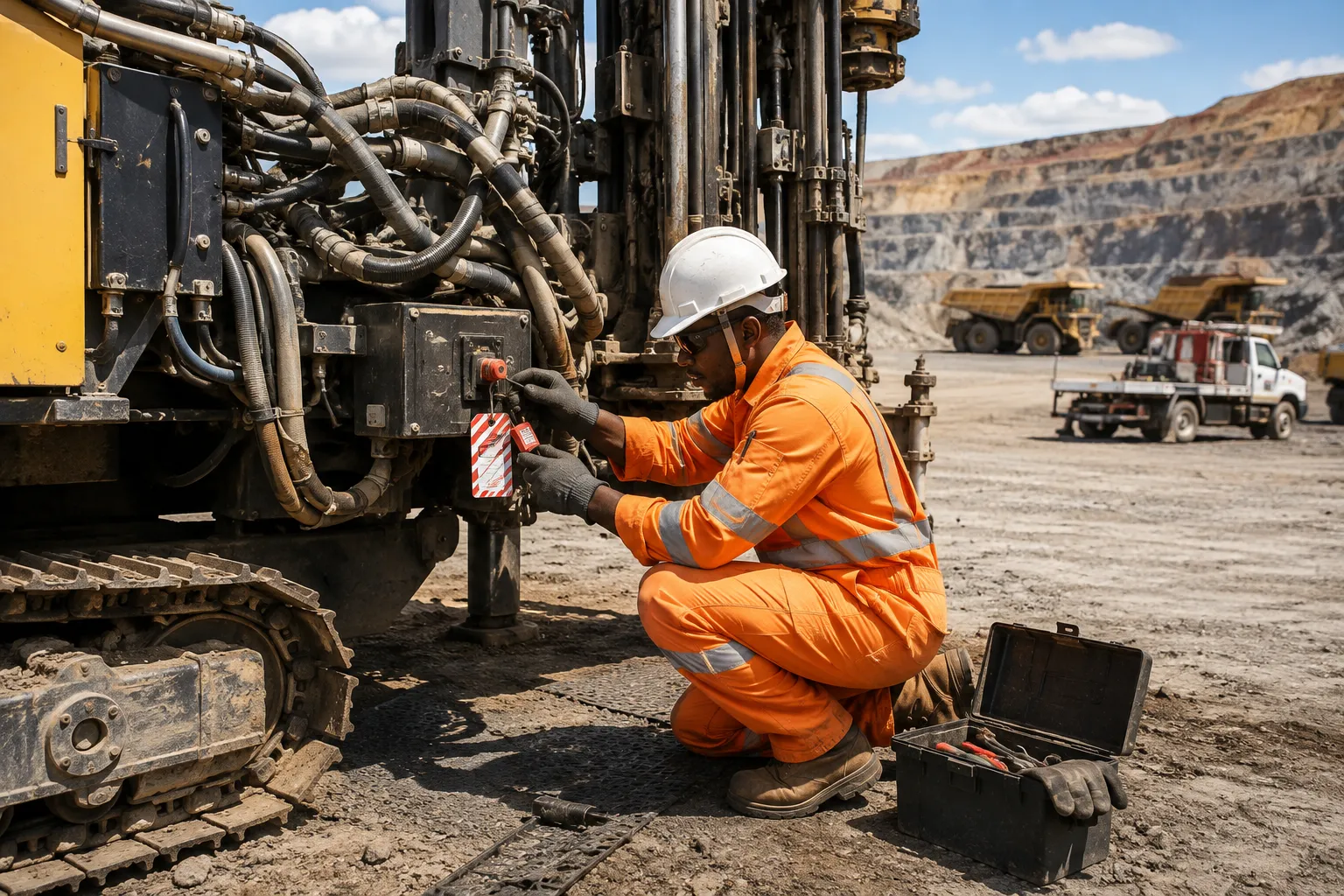
Heavy Equipment Safety: The Complete Guide for Apprentices, Operators, and Diesel Technicians
1. Introduction
Heavy machinery powers the modern world. In open-pit mining, civil infrastructure, forestry, and bulk freight handling, multi-ton electro-hydraulic machines move thousands of tons of material daily. However, the exact force that gives heavy equipment its extraordinary capability makes it inherently dangerous when controlled incorrectly.
┌─────────────────────────────────────────────────────────────────┐
│                    THE DIAGNOSTIC LEADER METHOD™                │
│                         SAFETY INTEGRATION                      │
├─────────────────────────────────────────────────────────────────┤
│ 1. SYSTEM IDENTIFICATION                                        │
│    Identify all energy sources before touching a single fastener │
│                                                                 │
│ 2. ZERO ENERGY VERIFICATION                                     │
│    Verify true mechanical, hydraulic, and electrical isolation  │
│                                                                 │
│ 3. CONTROLLED EXECUTION                                         │
│    Execute maintenance within verified safe operational boundary│
└─────────────────────────────────────────────────────────────────┘
In heavy equipment maintenance, safety is not a passive requirement or a set of rules to memorize for an audit. Safety is an active engineering discipline.
At Modern Trade Skills, we reject the notion that a technician is merely a “spanner spinner” or a parts changer. A true Diagnostic Leader understands systems engineering, respects the physics of stored energy, and manages risk with empirical precision.
This guide serves as the foundational safety document for the entire Modern Trade Skills framework. Every subsequent technical guide—whether focused on Hydraulic Safety, Electrical Safety, or Diesel Engine Maintenance—builds upon the core isolation, hazard identification, and risk control principles established here.
2. Why Heavy Equipment Is Different
Maintaining a heavy excavator, haul truck, or drill rig is fundamentally different from servicing automotive or light commercial vehicles. The difference lies in mass, scale, system complexity, and energy density.
┌─────────────────────────────────────────────────────────────────┐
│               AUTOMOTIVE VS. HEAVY EQUIPMENT SAFETY             │
├───────────────────────────────┬─────────────────────────────────┤
│ Automotive Systems            │ Heavy Industrial Assets         │
├───────────────────────────────┼─────────────────────────────────┤
│ Low thermal/fluid capacitance │ High thermal inertia            │
│ Single 12V DC system          │ High voltage / 24V multiplexed  │
│ Mechanical parking locks      │ Hydraulic accumulators (350+ bar)│
│ Low risk of frame crush       │ Articulated chassis pinch points│
└───────────────────────────────┴─────────────────────────────────┘
Heavy industrial assets exhibit operational characteristics that demand specialized safety protocols:
- Extreme Energy Storage: Heavy equipment converts chemical energy (diesel fuel) into massive hydraulic, pneumatic, and mechanical output. Systems frequently operate at hydraulic pressures exceeding $350\text{ bar}$ ($5,000\text{ PSI}$), compressed air volumes above $12\text{ bar}$, and dynamic mechanical forces capable of crushing structural steel.
- Blind Spots and Machine Footprint: The operator’s line of sight on a $400\text{-ton}$ ultra-class haul truck or large rope shovel is severely restricted. A field service technician working near the rear axle housing or steering linkage can easily be located inside a complete visual blind spot.
- Articulated Chassis and Pinch Points: Wheel loaders, articulated dump trucks, and scrapers feature central pivot points that swing with immense hydraulic torque. Without physical steering frame locks installed, a technician standing in the articulation zone risks fatal crushing if the system shifts or loses pressure.
- Environmental Instability: Maintenance frequently occurs outside controlled workshop environments. Mobile plant field repairs take place on uneven pit floors, mud, elevated ramps, or extreme weather conditions where ground stability and machine positioning fluctuate.
3. Building a Safety Culture
A safety culture is not built by hanging posters on a workshop wall; it is forged by daily operational habits and peer accountability.
┌─────────────────────────────────────────────────────────────────┐
│                      THE RISK CONTROL MATRIX                    │
├─────────────────────────────────────────────────────────────────┤
│  Level 1: ELIMINATION      (Remove hazard entirely)             │
│  Level 2: SUBSTITUTION     (Replace with lower-risk process)    │
│  Level 3: ENGINEERING      (Install physical guards / LOTO)     │
│  Level 4: ADMINISTRATIVE   (SOPs, JHA, signage, permits)       │
│  Level 5: PPE              (Last line of physical defense)      │
└─────────────────────────────────────────────────────────────────┘
In a high-performing maintenance team:
- Empirical Verification Over Assumption: Technicians do not assume a system is safe because a switch is off. They test, measure, and verify zero potential energy before placing any part of their body in a crush or discharge zone.
- The Right to Stop Work: Every crew member—from a first-year apprentice to the senior site specialist—possesses absolute authority and responsibility to halt an operation if a hazard is uncontrolled.
- Zero Acceptance of Short-Cuts: Component swapping without verifying isolation, skipping a Lock Out / Tag Out step, or overriding a safety interlock is treated as a critical operational breakdown.
- Active Peer Protection: Experienced technicians mentor apprentices not just in diagnostic logic, but in anticipating environmental and system hazards long before a wrench touches a fitting.
4. Hazard Identification
Effective hazard identification requires looking beyond surface-level risks to understand system dynamics. Before initiating any maintenance task, execute a formal Job Health Analysis (JHA) or Risk Assessment.
┌─────────────────────────────────────────────────────────────────┐
│                       HAZARD CLASSIFICATION                     │
├─────────────────────────┬───────────────────────────────────────┤
│ Category                │ Typical Workshop / Field Example      │
├─────────────────────────┼───────────────────────────────────────┤
│ Mechanical / Structural │ Suspended booms, unblocked tracks     │
│ Pressurized Fluid       │ Pin-hole hydraulic leaks, jetting     │
│ Electrical              │ 24V high-current arc, hybrid HV packs │
│ Pneumatic               │ Un-dumped air receivers, blast hoses  │
│ Chemical / Thermal      │ Hot engine coolant, acid, exhaust gas │
└─────────────────────────┴───────────────────────────────────────┘
Key Hazard Categories on Heavy Assets
- Crush Zones: Regions where structural components move relative to each other (e.g., loader arms, excavator buckets, steering linkages, dump bodies).
- Stored Energy Receivers: Hydraulic accumulators, compressed air tanks, counterweight springs, and suspended work equipment.
- High-Current Electrical Systems: Dual 12V/24V heavy-duty battery banks capable of delivering thousands of cold-cranking amps (CCA), creating severe arc-flash and thermal burn hazards during short circuits.
- Toxic and High-Temperature Fluids: Scalding engine coolant under system pressure, hot hydraulic oil, Diesel Exhaust Fluid (DEF), and high-pressure fuel rails ($2,500+\text{ bar}$).
5. Personal Protective Equipment (PPE)
Personal Protective Equipment (PPE) is the final layer of protection in the Hierarchy of Controls. While PPE does not prevent an accident from occurring, it mitigates the severity of injury when an engineering or administrative control fails.
┌─────────────────────────────────────────────────────────────────┐
│                    HEAVY EQUIPMENT PPE SPECIFICATION            │
├───────────────────┬─────────────────────────────────────────────┤
│ PPE Item          │ Technical Standard / Application            │
├───────────────────┼─────────────────────────────────────────────┤
│ Hard Hat          │ ANSI Z89.1 / CSA Z94.1 (Type 1, Class E)     │
│ Eye Protection    │ ANSI Z87.1 Approved with side shields       │
│ Hearing Protection│ NRR 25+ dB rated (Muffs or fitted plugs)    │
│ Safety Footwear   │ Steel/Composite toe, puncture-resistant sole│
│ Hand Protection   │ High-dexterity cut/impact/fluid-resistant   │
└───────────────────┴─────────────────────────────────────────────┘
NOTICE: Standard mechanics’ gloves do not provide fluid-injection protection. When inspecting high-pressure hydraulic circuits, never use bare hands or standard gloves to feel for leaks. Always use cardboard, wood, or a specialized diagnostic probe.
6. Stored Energy – The Hidden Killer
The most dangerous hazard on a machine is often invisible. Stored energy (potential energy) remains locked inside components even after the diesel engine has been shut down and the key switch turned off.
┌─────────────────────────────────────────────────────────────────┐
│                    STORED ENERGY MATRIX                         │
├──────────────────┬──────────────────────────────────────────────┤
│ Energy Form      │ Potential Release Mechanism                  │
├──────────────────┼──────────────────────────────────────────────┤
│ Hydraulic        │ Accumulators, trapped pilot line pressure    │
│ Pneumatic        │ Charged receivers, compressed brake lines    │
│ Mechanical       │ Heavy springs (recoil/brakes), counterweights│
│ Gravitational    │ Raised attachments, unsupported frames       │
│ Electrical       │ Capacitors, battery banks, high-voltage grids│
│ Thermal          │ Pressurized cooling systems, turbochargers   │
└──────────────────┴──────────────────────────────────────────────┘
1. Hydraulic Pressure
Hydraulic systems store pressure in two primary ways: trapped fluid volume behind closed valve spools and nitrogen-charged hydraulic accumulators. Accumulators maintain system pressure for emergency steering or braking even with the engine off. Loosening a hydraulic line without manually dumping accumulator pressure can result in high-velocity oil discharge or sudden machine movement.
2. Compressed Air
Compressed air receivers for brake systems, air-actuated controls, or drill rig flushing store immense pneumatic potential. A ruptured hose or prematurely disconnected fitting can convert flexible lines into violent, whip-like projectiles.
3. Electrical Energy
Heavy equipment electrical systems carry substantial potential energy. Shorting a $24\text{V}$ battery bank with a hand tool can melt metal, ignite battery hydrogen gas, and cause catastrophic thermal burns.
4. Spring Force
Track tensioners on crawler excavators and spring-applied, hydraulically released (SAHR) emergency brakes store extreme mechanical force. Attempting to disassemble a spring brake housing without proper spring containment tools can release lethal mechanical thrust.
5. Gravity
Any component raised above ground level—loader arms, excavator booms, dozer blades, or raised dump beds—possesses gravitational potential energy. If hydraulic pilot supply drops or a holding valve spool shifts, gravity will pull the component down instantly.
       [ SUSPENDED LOAD / GRAVITY ]
                    │
                    ▼
     ┌─────────────────────────────┐
     │   HYDRAULIC HOLDING VALVE   │ ◄── [ Potential Failure Point ]
     └─────────────────────────────┘
                    │
                    ▼
     [ UNCONTROLLED DESCENT ZONE ]
6. Rotating Components
High-inertia components (engine cooling fans, flywheel assemblies, rotor drives) continue to turn for seconds or minutes after engine shutdown. Premature entry into engine compartments risks severe entanglement.
7. Thermal Energy
Exhaust manifolds, turbocharger housings ($600^\circ\text{C}+$), and pressurized engine cooling circuits maintain dangerous temperatures long after shutdown. Opening a hot radiator cap risks explosive steam discharge.
7. Lock Out / Tag Out / Try Out (LOTOTO)
Lock Out / Tag Out / Try Out (LOTOTO) is the non-negotiable protocol for isolating energy sources prior to service or maintenance.
┌─────────────────────────────────────────────────────────────────┐
│                       THE LOTOTO PIPELINE                       │
├─────────────────────────────────────────────────────────────────┤
│ STEP 1: PREPARE    ──▶ Identify all energy sources & points     │
│ STEP 2: NOTIFY     ──▶ Inform operators & workshop supervisor   │
│ STEP 3: SHUTDOWN   ──▶ Execute standard machine stop procedure  │
│ STEP 4: ISOLATE    ──▶ Open main disconnect switch & valves     │
│ STEP 5: LOCKOUT    ──▶ Apply personal lock & tag to isolation   │
│ STEP 6: DISSIPATE  ──▶ Bleed air, dump hydraulics, block boom   │
│ STEP 7: TRY OUT    ──▶ Attempt start & test zero-energy state   │
└─────────────────────────────────────────────────────────────────┘
Step-by-Step Isolation Verification
- Identify: Review machine schematics to locate all energy disconnects (battery master, hydraulic pilot lockouts, pneumatic supply valves).
- Isolate: Move energy isolation devices to the OFF or SAFE position.
- Lock & Tag: Apply your personal padlock and a completed, legible danger tag directly to the isolator lockout bracket. One technician = One lock. Never rely on another person’s lock.
- Dissipate: Cycle control levers to relieve residual hydraulic pilot pressure, bleed air tanks, lower all work equipment to the ground, and install mechanical lock pins or boom stands.
- TRY OUT (Verification):
- Verify area is clear.
- Attempt to key-start the machine (confirm starter motor does not engage).
- Use a Digital Multimeter (DMM) or pressure gauge to empirically confirm zero voltage/pressure where applicable.
- Return key switch to the OFF position.
8. Safe Machine Isolation
True machine isolation goes beyond simply flipping a battery switch. It requires securing the asset mechanically, hydraulically, and environmentally.
┌─────────────────────────────────────────────────────────────────┐
│                    SAFE MACHINE ISOLATION ZONE                  │
├─────────────────────────────────────────────────────────────────┤
│ [1] WHEEL CHOCKS ATTACHED ──▶ Prevent unexpected rolling        │
│ [2] STEERING LOCK BAR     ──▶ Lock articulation pivot           │
│ [3] WORK IMPLEMENTS DOWN  ──▶ Flat on ground / pin-locked       │
│ [4] BATTERY ISOLATOR OPEN ──▶ Locked Out with Personal Padlock │
│ [5] TAG OUT APPLIED       ──▶ Contact details, date, reason     │
└─────────────────────────────────────────────────────────────────┘
Mandatory Isolation Steps for Mobile Heavy Assets
- Parking & Position: Park on flat, level, stable ground away from active pit walls, overhead powerlines, or haulage routes.
- Ground Attachment: Ground all work implements (buckets, blades, rippers). If an implement must remain elevated for diagnostics, support it with OEM-approved mechanical safety stands or pin locks.
- Chock Wheels / Lock Tracks: Place rated wheel chocks on both sides of the tires in direction of potential movement.
- Engage Frame Locks: On articulated machinery, swing steering to center and install the red steering frame lock bar.
9. Working Around Heavy Equipment
Safety around heavy plant requires constant situational awareness for both technicians and ground personnel.
               [ OPERATOR LINE OF SIGHT ]
                          │
     ┌────────────────────┴────────────────────┐
     │                                         │
     ▼                                         ▼
[ VISIBLE ZONE ]                       [ BLIND SPOT ZONE ]
Safe for movement with                 NO EYE CONTACT =
positive radio contact                 NO ENTRY (HIGH RISK)
- Establish Positive Contact: Never approach a working machine or enter its swing radius without making direct visual eye contact with the operator and receiving explicit radio clearance or signal confirmation.
- Maintain Exclusion Zones: Respect established working radiuses around excavators, cranes, and drill masts. Suspended loads, falling rock, and counterweights create dynamic strike zones.
- Understand Operator Limitations: Cab structures, exhaust stacks, and blind spots severely restrict operator visibility. Assume the operator cannot see you unless positive communication has been established.
10. Workshop Safety
The maintenance workshop presents a concentrated environment of structural, overhead, and environmental hazards.
┌─────────────────────────────────────────────────────────────────┐
│                  WORKSHOP HOUSEKEEPING DIRECTIVES               │
├───────────────────┬─────────────────────────────────────────────┤
│ Focus Area        │ Operational Requirement                     │
├───────────────────┼─────────────────────────────────────────────┤
│ Bay Cleanliness   │ Clean oil spills immediately; keep aisles clear│
│ Overhead Cranes   │ Perform pre-use inspection; check latch     │
│ Air/Lube Hoses    │ Retract onto reels when not actively in use │
│ Chemical Storage  │ Maintain SDS binders; store in fire cabinets│
└───────────────────┴─────────────────────────────────────────────┘
Critical Workshop Protocols
- Housekeeping: Oil drips, grease, and clutter are major contributors to workshop slips, trips, and falls. Clean fluid spills immediately using absorbent materials.
- Rigging and Lifting Safety: Inspect chains, synthetic slings, and shackles prior to every lift. Never exceed Rated Capacity Indicators (RCI). Never position any body part under a suspended load.
- Fume Management: Run engine exhaust extraction systems whenever operating diesel engines indoors. Ensure adequate ventilation during welding or solvent cleaning operations.
11. Field Service Safety
Field service technicians operate without the structural protections of a workshop, often facing extreme weather, isolated locations, and sub-optimal ground conditions.
┌─────────────────────────────────────────────────────────────────┐
│                   FIELD SERVICE PRE-JOB PROTOCOL                │
├─────────────────────────────────────────────────────────────────┤
│ 1. TERRAIN EVALUATION ──▶ Test ground bearing capacity          │
│ 2. TRAFFIC CONTROL    ──▶ Place safety cones, flashing beacons  │
│ 3. COMMUNICATIONS     ──▶ Confirm radio / satellite coverage    │
│ 4. WEATHER MONITORING ──▶ Track lightning, high winds, rain     │
└─────────────────────────────────────────────────────────────────┘
Essential Field Service Guidelines
- Stabilize the Service Vehicle: Park the service truck on stable ground upwind of the machine under repair. Engage parking brakes and chock wheels.
- Create a Safe Work Area: Set up safety cones, warning signs, and portable lighting to define a clear work boundary, especially along active haul routes.
- Assess Ground Conditions: Before jacking or cribbing heavy equipment in the field, verify that the ground can support the point load. Use heavy hardwood timber mats or outrigger pads beneath jacks.
- Maintain Communication Lines: Field service work is often solo work. Establish mandatory radio check-in schedules with workshop dispatch or site supervisors.
12. Common Causes of Serious and Fatal Accidents
Historical industry safety data indicates that the majority of severe incidents stem from a small group of recurring failure modes:
┌─────────────────────────────────────────────────────────────────┐
│                  TOP FATAL FAILURE MECHANISMS                   │
├─────────────────────────────────────────────────────────────────┤
│ 1. FAILURE TO ISOLATE & VERIFY ZERO ENERGY                      │
│ 2. WORKING UNDER UNSUPPORTED SUSPENDED LOADS                    │
│ 3. ENTERING MACHINE BLIND SPOTS WITHOUT COMMUNICATION           │
│ 4. CRUSHING IN ARTICULATION ZONES WITHOUT STEERING LOCKS        │
│ 5. DISCONNECTING LINES UNDER HIDDEN HYDRAULIC/AIR PRESSURE      │
└─────────────────────────────────────────────────────────────────┘
Understanding these mechanisms is essential to preventing them. Every rule in an OEM service manual exists because someone previously suffered an injury or fatality at that exact point in the machine’s operation.
13. Chief Engineer’s Workshop Wisdom
Real-World Case Study: The Disconnected Air Line
Asset Involved: Caterpillar MD6200 Drill Rig & Sandvik Pantera DP1500i Drill
Location: Active Mining Operation
Incident Summary:
The Chief Engineer was executing a seal replacement on the rotary head swivel of a Caterpillar MD6200 drill rig. To perform the work, the mast was raised and the main compressed air supply hose was disconnected from the rotary head assembly.
During the procedure, another crew member requested urgent diagnostic assistance on a nearby Sandvik Pantera DP1500i drill. Expecting to be away for only a few minutes, the Chief Engineer stepped away from the MD6200 without applying his personal Lock Out / Tag Out locks or performing a formal energy isolation.
While he was assisting on the second machine, an electrician arrived at the MD6200 to replace an air compressor temperature sensor. Unaware of the disconnected air hose on the raised mast, the electrician finished installing the sensor and requested the machine operator to start the engine to test system operation.
The engine was started and the air compressor engaged. High-pressure compressed air ($10+\text{ bar}$) immediately entered the disconnected main air line.
The unanchored air hose transformed into an uncontrolled, whipping projectile. It struck the drill cab, completely shattering the safety glass window. Large fragments of the whipping hose assembly struck both the operator and the electrician on their hard hats.
Outcome: Both workers survived without permanent physical injury purely due to wearing hard hats and safety glasses. However, the machine suffered major structural cab damage, and the incident represented a near-fatal event.
                  [ ENGINE STARTED FOR COMPRESSOR TEST ]
                                    │
                                    ▼
                [ COMPRESSED AIR ENTERS DISCONNECTED HOSE ]
                                    │
                                    ▼
              [ HOSE BECOMES UNCONTROLLED HIGH-SPEED PROJECTILE ]
                                    │
                                    ▼
               [ CAB WINDOW SHATTERED / HARD HAT IMPACTS ]
System Breakdown & Lessons Learned
This real-world incident illustrates several critical breakdown points in maintenance operations:
- Stored & Potential Energy: Compressed air acts like a compressed spring. When released through an unanchored, open hose, fluid mechanics convert pneumatic potential energy into violent mechanical movement.
- Communication Failure: The electrician and operator had no visual indication that the machine was under active repair because no Lock Out / Tag Out hardware was present.
- Human Factors & Assumptions: The Chief Engineer assumed that because he intended to return shortly, the machine was safe. Time-based assumptions are a primary cause of maintenance incidents.
- Personal Responsibility: The machine remains the active responsibility of the technician until it is fully isolated, locked out, or completely reassembled and signed off. Never walk away from an un-isolated, partially disassembled machine without applying LOTOTO.
14. Safety Myths
To build true diagnostic leadership, maintenance personnel must challenge and eliminate common workshop safety myths:
┌─────────────────────────────────────────────────────────────────┐
│                     MYTH VS. REALITY MATRIX                     │
├───────────────────────────────┬─────────────────────────────────┤
│ Common Workshop Myth          │ Physical Engineering Reality    │
├───────────────────────────────┼─────────────────────────────────┤
│ "I'll only be gone a minute." │ Accidents occur in milliseconds. │
│ "They know I'm working on it."│ People forget, change shifts,   │
│                               │ or miss visual cues.            │
│ "I've done this 100 times."   │ Experience does not change      │
│                               │ physical energy dynamics.       │
│ "I'll just loosen it slowly." │ Fluid under pressure jets out   │
│                               │ instantly upon thread separation│
└───────────────────────────────┴─────────────────────────────────┘
- Myth 1: “I’ll only be away from the machine for a minute.”Reality: A engine start, hydraulic release, or pressure stroke occurs in less than a second. Isolation must be applied regardless of task duration.
- Myth 2: “Everyone in the bay knows I’m working on this unit.”Reality: Shift changes, sub-contractors, operators, and auto-electricians move through workshops constantly. Verbal notes are useless; physical locks are absolute.
- Myth 3: “I’ve cracked hydraulic fittings under pressure for years without issue.”Reality: Hydraulic fluid injection occurs in a fraction of a second at pressures as low as $7\text{ bar}$ ($100\text{ PSI}$). Past good fortune does not override fluid dynamics.
15. What This Means for Technicians
The principles in this guide are designed to govern your daily professional practice on the shop floor and in the field.
┌─────────────────────────────────────────────────────────────────┐
│                 THE DIAGNOSTIC LEADER MINDSET                   │
├─────────────────────────────────────────────────────────────────┤
│ • THINK BEFORE ACTING   ──▶ Map out energy pathways first       │
│ • RESPECT PHYSICS       ──▶ Measure pressures; never guess      │
│ • TAKE OWNERSHIP        ──▶ Own isolation on your asset         │
│ • PROTECT YOUR TEAM     ──▶ Challenge unsafe acts constructively│
│ • BUILD TRUST           ──▶ Execute standard procedures daily   │
└─────────────────────────────────────────────────────────────────┘
Integrating Safety into Daily Practice
- Think Before Acting: Pause before unbolting a component, cutting a harness, or cracking a hydraulic line. Ask yourself: Where is the stored energy in this system, and how have I proven it is safe?
- Respect Stored Energy: Treat every hydraulic hose, compressed air line, wire harness, and raised attachment as fully energized until you have physically verified zero potential energy.
- Take Professional Ownership: You are responsible for your own safety and the safety of anyone entering your work space. Never let production pressure push you into bypassing LOTOTO or isolation checks.
- Protect Your Workmates: If you see a colleague—apprentice or senior tech—working under an unsupported load or without proper eye protection, speak up immediately. Constructive feedback builds a strong team safety culture.
16. Daily Heavy Equipment Safety Checklist
Use this practical checklist prior to starting maintenance on any heavy machinery asset:
┌─────────────────────────────────────────────────────────────────┐
│               PRE-MAINTENANCE ISOLATION CHECKLIST               │
├─────────────────────────────────────────────────────────────────┤
│ [ ] Machine parked on flat, stable ground out of traffic zones? │
│ [ ] All work implements (bucket, blade, ripper) fully lowered?  │
│ [ ] Wheel chocks / track blocks securely installed?            │
│ [ ] Articulation lock bar / swing locks engaged (if applicable)?│
│ [ ] Key switch OFF and engine startup disabled?                 │
│ [ ] Main battery isolator switch opened?                        │
│ [ ] Personal LOTOTO padlock and tag applied to isolator?        │
│ [ ] Hydraulic accumulators / pilot pressure bled & dumped?      │
│ [ ] Air receivers drained / pressure verified zero?            │
│ [ ] TRY OUT verification completed (attempted restart)?         │
│ [ ] PPE verified (Hard hat, safety glasses, boots, gloves)?     │
└─────────────────────────────────────────────────────────────────┘
17. Key Takeaways
┌─────────────────────────────────────────────────────────────────┐
│                       CORE SAFETY PILLARS                       │
├─────────────────────────────────────────────────────────────────┤
│ 1. ENERGY CONTROL       ──▶ Isolate, bleed, and verify zero state│
│ 2. PHYSICAL LOCKOUT     ──▶ One technician = One lock           │
│ 3. POSITIVE CONTACT     ──▶ Never enter blind spots unannounced │
│ 4. GRAVITY MANAGEMENT   ──▶ Block or ground all suspended loads │
│ 5. RIGOROUS VERIFICATION──▶ Test before touching any component  │
└─────────────────────────────────────────────────────────────────┘
- Heavy equipment is energy-dense: Respect the physics of hydraulic pressure, compressed air, and mass.
- Isolation requires verification: Never stop at step 5 of LOTOTO; always complete the TRY OUT step to confirm zero energy state.
- Never trust visual assumptions: Verbal communication fails; physical padlocks and tags do not.
- Suspended loads must be mechanically held: Hydraulics fail; physical stands, blocks, and ground contact protect lives.
18. Frequently Asked Questions
Q1: What is fluid injection, and why is it so dangerous?
A: High-pressure fluid injection occurs when hydraulic oil, diesel fuel, or compressed air penetrates the skin under pressure. At pressures above $7\text{ bar}$ ($100\text{ PSI}$), fluid can enter body tissue instantly. Because the entry wound often looks like a minor pinprick or insect bite, victims may ignore it. However, toxic fluid rapidly destroys deep tissue, leading to severe infection, gangrene, and potential amputation if not surgically treated immediately.
Q2: Is turning off the battery isolator enough to make a machine safe to work on?
A: No. Turning off the battery isolator removes electrical potential from the starter motor and control circuits, but it does not dump trapped hydraulic pressure, release spring-applied brakes, ground suspended work implements, or bleed air tanks. Comprehensive isolation requires controlling mechanical, hydraulic, pneumatic, gravitational, and thermal energy.
Q3: What should I do if a hydraulic accumulator does not have a manual dump valve?
A: Refer directly to the OEM service manual. Many modern machines feature solenoid-operated automatic bleed valves that discharge accumulator pressure into the tank when the key switch is cycled or turned off. Use onboard pressure gauges or external test ports with high-pressure diagnostic gauges to verify that accumulator pressure has dropped to $0\text{ bar}$ before opening hydraulic fittings.
Q4: Can I place my lockout lock on top of another technician’s lock?
A: No. Every technician working on a machine must apply their own personal padlock to a multi-lock lockout hasp (scissors bracket) attached directly to the energy isolation point. Never attach your lock to another person’s lock or permit someone else to lock out on your behalf.
Q5: How do I safely check for hydraulic leaks on high-pressure lines?
A: Never use your hands—even with heavy gloves—to feel for hydraulic leaks. Depressurize the system where possible, or use a piece of cardboard, wood, or a specialized diagnostic mirror positioned at a distance to locate escaping oil mist or pinhole streams.
Q6: What is the difference between a Lock Out Tag Out (LOTO) and Lock Out Tag Out Try Out (LOTOTO)?
A: Traditional LOTO focuses on opening a switch and placing a lock and tag. LOTOTO adds the vital TRY OUT (verification) step. This requires the technician to actively attempt to energize the machine (e.g., trying to start the engine, cycling a valve lever, measuring voltage across terminals) to empirically prove that zero energy state has been achieved before starting work.
Q7: Why are steering frame locks mandatory on wheel loaders and dump trucks?
A: Articulated machines pivot in the center using high-torque hydraulic cylinders. If a technician is standing near the articulation joint and the steering system experiences a hydraulic bypass, thermal expansion, or accidental control input, the chassis can swing rapidly, creating a lethal pinch point. The mechanical steering frame lock bar physically prevents the frame from pivoting regardless of hydraulic state.
Q8: What should I do if an OEM safety decal is missing or unreadable?
A: Report the missing or damaged safety decal to your supervisor immediately and order an OEM replacement. Safety decals provide critical field information regarding stored energy hazards, accumulator pressures, and correct maintenance procedures.
Q9: How do I safely work under a raised excavator arm or loader bucket?
A: Lower the implement fully to the ground whenever possible. If the implement must be raised for repair or diagnostics, it must be supported using OEM-certified mechanical safety props, boom locks, or rated structural stands. Never rely on hydraulic pressure or holding valves to suspend a load while working beneath it.
Q10: What is the correct procedure if I lose my personal lockout key?
A: Follow your site’s formal emergency lock removal procedure. This typically requires written authorization from the maintenance superintendent, verification that you are off-site or safe, a complete inspection of the asset, and controlled removal using bolt cutters by authorized personnel. Never cut a lock off without formal sign-off.
Q11: How often should rigging gear (slings, chains, shackles) be inspected?
A: Rigging equipment must undergo visual pre-use inspection by the user prior to every lift, along with periodic documented formal inspections (typically every 6 to 12 months) by a competent person in accordance with national lifting standards. Any sling showing cuts, excessive wear, heat damage, or missing capacity tags must be destroyed and discarded immediately.
Q12: Are high-voltage hybrid/electric heavy assets isolated the same way as diesel machines?
A: No. High-voltage (HV) systems (typically exceeding $600\text{V DC}$) require specialized HV isolation training, arc-flash personal protective equipment, calibrated HV digital multimeters rated CAT IV $1000\text{V}$, and specific High-Voltage Disconnect (HVD) removal procedures defined by the OEM before touching high-voltage cables (color-coded orange).
Q13: What should I do if I am asked to perform a job without a written Procedure or JHA?
A: Stop and engage with your supervisor. In a true diagnostic safety culture, work does not proceed on complex or high-risk tasks without a documented risk assessment (JHA/SLAM/Take 5) and an approved standard operating procedure (SOP).
Q14: How does temperature affect heavy equipment safety during maintenance?
A: High operational temperatures create thermal burn hazards (exhausts, hot oil, engine coolant). Conversely, cold temperatures can cause hydraulic oil to thicken, slowing valve response times, or cause structural steel to become brittle under high impact loading. Always allow hot systems to cool prior to servicing and account for ambient conditions.
19. Conclusion
Q15: Why is “systems thinking” considered a core component of heavy equipment safety?
A: Heavy equipment components rarely operate in isolation. A failure in an electrical sensor can cause a hydraulic solenoid to shift unexpectedly; releasing a mechanical brake can cause a hydraulic motor to turn under load. Systems thinking allows a technician to understand how energy flows through interconnected mechanical, hydraulic, electrical, and pneumatic sub-systems, preventing unintended chain reactions during repair.
Heavy equipment safety is far more than following rules or completing checklists. It is a professional mindset built on understanding hazards, respecting stored energy, communicating effectively, and taking personal responsibility for every task.
Every maintenance activity—whether replacing a hydraulic hose, inspecting an electrical system, or performing routine servicing—begins with one fundamental question:
“Have I made this machine safe to work on?”
The answer to that question protects not only your own life but also the lives of your workmates.
Throughout this guide, we have explored hazard identification, personal protective equipment, stored energy, Lock Out / Tag Out, safe isolation, workshop safety, field service risks, and the lessons learned from real-world experience. Together, these principles form the foundation of professional heavy equipment maintenance.
Becoming a skilled technician is about more than repairing machines. It is about developing the discipline to make safe decisions every day, even when production pressure, deadlines, or routine tasks tempt you to take shortcuts.
Remember:
Machines can be repaired.
People cannot.
Every safe decision strengthens your professionalism, protects your team, and contributes to a workplace where everyone goes home safely at the end of the shift.
At Modern Trade Skills, we believe that the best technicians are not only technically competent—they are trusted professionals who understand that safety is an active engineering discipline.
Develop Diagnostic Leaders.
Never Become a Parts Changer.